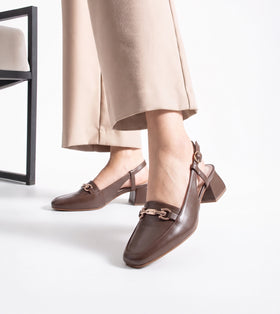
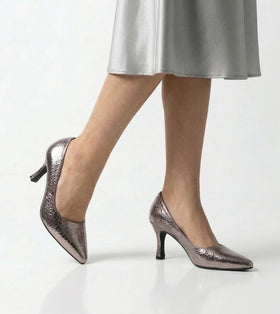
Let footwear dry completely between wears, keep your feet clean and dry, change socks regularly, clean shoes according to their material, and store them in a ventilated place. These simple habits can help reduce odour and keep everyday footwear fresher for longer.
How to prevent shoes from smelling comes down to managing sweat, moisture and ventilation before odour has a chance to build up. Dry your feet, rotate footwear, wear fresh socks and let shoes air out after use. With the right care routine, even frequently worn footwear can stay fresher for longer. Here’s what actually works—and what to avoid.
Why Do Shoes Smell?
Shoe odour is usually less about the shoe itself and more about what happens inside it. Feet naturally sweat throughout the day, and enclosed footwear can trap heat and moisture. When microorganisms break down substances associated with sweat, they can produce the unpleasant smells we recognise as shoe odour.
The problem becomes more noticeable when shoes are worn repeatedly without enough time to dry. Damp socks, wet insoles, poor ventilation and humid weather can all make the situation worse.
Understanding the cause makes it easier to know how to prevent shoes from smelling instead of simply trying to cover the odour with perfume or fragrance.
Is Sweat the Main Reason Shoes Smell?
Sweat contributes to the conditions that allow odour to develop, but sweat itself is not usually the whole story. Moisture, warmth and microorganisms inside footwear work together to create the smell.
That is why keeping your feet and shoes dry is one of the most useful parts of a good footwear-care routine.
Why Do Moisture and Poor Ventilation Matter?
A closed shoe can hold onto moisture for hours. If it is placed straight into a cupboard after wearing, that moisture has less opportunity to evaporate.
Repeatedly doing this can leave footwear feeling damp and smelling stale. Giving shoes enough time and airflow to dry is therefore a simple but important preventive step.
How to Prevent Shoes from Smelling
There is no single magic trick. The most effective approach is a combination of small habits that reduce moisture, improve airflow and prevent odour from accumulating.
1. Let Your Shoes Dry Completely After Wearing
This is one of the easiest habits to adopt.
After taking off your shoes, leave them in a clean, dry and well-ventilated area rather than immediately placing them inside a closed cupboard or box. If the footwear allows it, removing the insoles can also help trapped moisture escape.
Avoid excessive direct heat, particularly with materials that can be damaged by high temperatures. When in doubt, follow the manufacturer's care instructions.
2. Rotate Your Footwear
Wearing the same pair every day gives moisture very little time to leave.
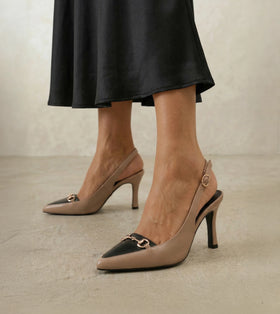
Instead, rotate between different pairs whenever possible. This allows one pair to dry while you wear another. It is particularly useful for closed footwear that gets several hours of wear during workdays, commuting or long outings. A comfortable pair of office heels for women can be a great addition to this rotation for days spent primarily at your desk.
A simple rotation can make a noticeable difference to freshness over time. Pairing that rotation with something like formal sandals for women ensures you're prepared for both everyday wear and special occasions.
3. Wear Fresh, Breathable Socks
Your socks sit directly between your feet and footwear, so they play an important role in moisture management.
Change socks regularly, particularly after heavy sweating. Choose breathable or moisture-managing fabrics when appropriate, and never put on a pair that is already damp.
Clean socks cannot eliminate every cause of shoe odour, but they can help reduce the amount of moisture and residue transferred into your footwear.
4. Keep Your Feet Clean and Dry
Good foot hygiene is an important part of how to prevent shoes from smelling.
Wash your feet regularly and dry them thoroughly before putting on socks or shoes. Pay attention to areas between the toes, where moisture can remain after washing.
If your feet become particularly sweaty during the day, changing into fresh socks can also help.
5. Clean Your Shoes Regularly
Shoes collect more than visible dirt. Sweat, dust and everyday residue can accumulate on surfaces and inside footwear.
How often you should clean them depends on the material and how frequently you wear them. Fabric footwear may have different care requirements from leather, suede or embellished designs.
Always check the care instructions before washing or applying cleaning products. A cleaning method that works for canvas may damage another material. If your footwear needs a deeper refresh, this guide on how to clean white shoes at home walks through safe methods for keeping light-coloured shoes looking new.
6. Clean or Replace Your Insoles
Insoles can absorb sweat and moisture over time, making them an overlooked source of persistent odour.
If your footwear has removable insoles, check whether they can be cleaned according to the manufacturer's instructions. If they remain heavily worn, damp or odorous despite cleaning, replacement may be worth considering.
Keeping the inside of the shoe clean is just as important as keeping its outer surface presentable.
7. Try Baking Soda for Mild Shoe Odour
Baking soda is a commonly used household option for absorbing unpleasant smells.
A small amount can be placed inside suitable footwear and left for several hours before being removed. Make sure the powder does not interfere with the shoe's material, finish or construction, and clean it out thoroughly before wearing the footwear again.
Think of this as an odour-management option, not a substitute for cleaning and drying.
8. Give Your Shoes Plenty of Airflow
Good airflow helps moisture evaporate.
After wearing your shoes, leave them somewhere with adequate ventilation instead of sealing them immediately in plastic packaging or a tightly closed container. This is especially useful after a long day when your footwear has been exposed to heat and sweat.
For everyday footwear, a little extra breathing room can go a long way.
9. Store Shoes in a Dry, Ventilated Place
Your storage habits matter more than you might expect.
A damp wardrobe can undo the benefits of cleaning and drying. Keep footwear away from excessive humidity and avoid piling recently worn shoes together.
If you use shoe boxes or storage containers, make sure the footwear is completely dry before putting it inside.
10. Never Store Damp Shoes
One of the most common mistakes is putting shoes away immediately after wearing them.
If your footwear feels warm or damp inside, give it time to air out first. This is particularly important after walking in rain, spending long hours outdoors or wearing closed shoes throughout the day.
Dry footwear is much easier to keep fresh than footwear that repeatedly stays damp.
11. Dry Shoes Properly After Rain
Wet weather can make shoe odour more difficult to manage because footwear may remain damp for longer.
Remove excess moisture carefully and allow shoes to dry naturally in a suitable ventilated area. Do not assume that placing every type of footwear directly under intense heat is safe.
Leather, suede and other delicate materials may require specific care, so always check the manufacturer's instructions.
12. Pay Attention to Your Everyday Shoe Rotation
If you have one pair that goes with almost everything, it can be tempting to wear it constantly. However, giving frequently worn footwear a break can help it dry properly. If that favourite pair has also started to feel a little snug, this guide on how to stretch tight shoes at home can help before you retire it completely.
Having different options for work, casual outings and special occasions makes it easier to rotate your footwear while keeping your wardrobe versatile. If you're building out that rotation with heels, this overview of different types of heels shoes can help you choose which styles work best for your day-to-day needs.
Pair-ie Tales offers women's footwear across categories including heels, flats, sandals, wedges, kitten heels and Mary Janes, with collections for casual, party and workwear occasions. If you're looking to expand your collection, its range of heels shoes for women covers everything from everyday flats to special-occasion styles.
How to Get Rid of Existing Shoe Smell
Knowing how to prevent shoes from smelling is useful, but what if the odour is already there?
Start by identifying where the smell is coming from. Check the shoes, insoles and socks, and consider whether your footwear has been exposed to excessive moisture.
Then:
- Air the shoes out thoroughly.
- Clean them according to their material and care instructions.
- Wash or replace removable insoles where appropriate.
- Allow everything to dry completely before wearing the shoes again.
- Keep the footwear in a dry, ventilated area afterwards.
Avoid simply spraying a strong fragrance over a dirty or damp shoe. Fragrance may temporarily mask an odour, but it does not address the moisture and residue that may be contributing to the problem.
Which Shoes Are More Likely to Smell?
Different footwear can behave differently depending on construction, material, ventilation and how much moisture becomes trapped inside.
Closed shoes generally have less airflow than open footwear, while frequently worn sneakers and other enclosed styles may retain more sweat and heat.
That does not mean one shoe type will always smell more than another. Your wearing habits and care routine matter too.
Do Synthetic Shoes Smell More?
Not necessarily. Material, construction and ventilation all influence how much moisture remains inside footwear. A poorly ventilated shoe can develop odour regardless of its material.
The better approach is to consider how the footwear should be cared for and whether it gets enough time to dry between uses.
Why Does Shoe Odour Get Worse in Summer or Monsoon?
Hot and humid conditions can make moisture management more difficult. Feet may sweat more, while damp footwear can take longer to dry.
During these periods, be especially consistent about changing socks, rotating footwear and allowing shoes to air out fully.
Common Mistakes That Make Shoes Smell Worse
Sometimes the problem is not what you are doing—it is what you are skipping.
Avoid these common mistakes:
- Wearing the same pair every day without allowing it to dry.
- Putting damp shoes straight into a cupboard.
- Wearing the same socks repeatedly.
- Ignoring damp or heavily worn insoles.
- Using fragrance as a replacement for cleaning.
- Washing footwear without checking its material-care instructions.
- Applying excessive heat to delicate materials.
- Leaving wet footwear in a closed bag for extended periods.
Small changes to your routine can make how to prevent shoes from smelling much easier in the long run.
When Should Persistent Foot Odour Get More Attention?
Occasional shoe odour is common, especially after sweating or wearing enclosed footwear for long periods.
However, if strong foot odour persists despite good hygiene and footwear care, particularly when accompanied by symptoms such as persistent itching, scaling, redness or other changes to the skin, consider speaking with a healthcare professional.
The goal is not to assume that every unpleasant smell indicates a medical problem. It is simply worth paying attention when the issue continues or comes with other symptoms.
How to Keep Your Favourite Footwear Fresh for Longer
The best footwear-care routine is one you can actually maintain.
Let shoes dry after wearing them. Keep your feet clean and dry. Change socks regularly. Rotate frequently worn pairs. Clean footwear according to its material, and do not ignore the condition of the insoles.
These habits help protect both the freshness and appearance of your footwear.
And when choosing your next pair, comfort and practicality deserve attention alongside style. Pair-ie Tales brings together women's heels, flats, sandals, wedges, Mary Janes and other styles designed for different everyday occasions. For those who prefer a comfortable, structured silhouette, its flat mary jane shoes are a versatile everyday option.
Step Into Every Day with Pair-ie Tales
Your footwear should complement your day, not become something you worry about halfway through it. A consistent care routine helps keep your favourite pairs fresher, while choosing footwear that suits your lifestyle makes every outing easier.
From polished workwear and versatile flats to statement heels, sandals and wedges, Pair-ie Tales offers women's footwear for different moods, moments and occasions. Explore the collection and find styles that bring together fashion and everyday wearability.
Ready for your next pair? Discover Pair-ie Tales and find your next favourite step. Shop Pair-ie Tales
Frequently Asked Questions
Q1. How can I prevent shoes from smelling?
Keep feet and footwear dry, change socks regularly, rotate shoes, clean them according to their material and allow them to air out completely between wears.
Q2. Can baking soda help with smelly shoes?
Yes. Baking soda can help absorb unpleasant odours in suitable footwear. It should complement regular cleaning and drying rather than replace them.
Q3. Is wearing the same shoes every day bad for shoe freshness?
Wearing the same pair daily can leave less time for accumulated moisture to evaporate. Rotating footwear gives each pair more time to dry.
Q4. Will washing my shoes remove the smell permanently?
Not always. Washing can help when the footwear is washable, but persistent odour may return if the shoes, insoles or feet continue to retain moisture.
Q5. What is the quickest way to reduce shoe smell?
Air the shoes thoroughly, remove or clean the insoles if appropriate, and allow everything to dry completely. Avoid simply masking the odour with fragrance.
Q6. Why do my shoes smell even when my feet are clean?
Shoes can retain moisture, sweat residue and odour-producing microorganisms even when your feet are clean. Insoles and poor ventilation can also contribute.
Q7. How often should I clean my shoes to prevent odour?
There is no universal schedule. Clean them based on their material, frequency of use and condition, and always follow the manufacturer's care instructions.
Q8. Why do shoes smell more during summer and monsoon?
Heat and humidity can increase sweating and make footwear slower to dry. Regular sock changes, footwear rotation and proper ventilation become especially important during these periods.