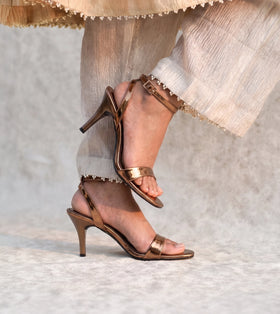
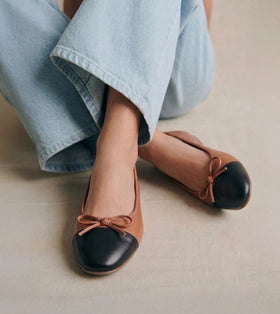
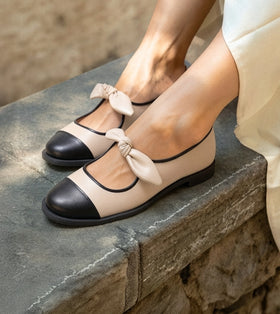
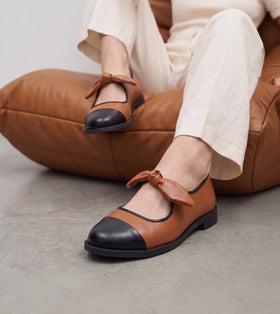
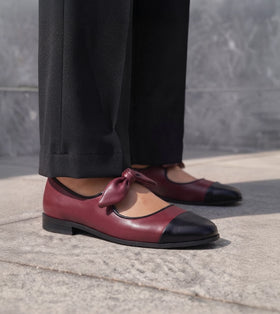
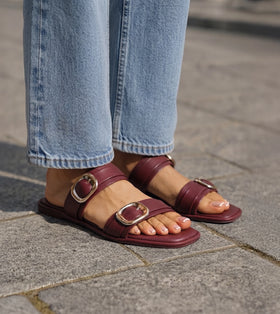
How to stretch tight shoes at home safely depends on the material and where the shoe feels snug. Thick socks, gradual indoor wear, controlled heat, or a shoe stretcher can help with mild pressure issues. Avoid aggressive stretching, excess heat, and methods that may weaken adhesives or damage delicate finishes.
How to stretch tight shoes at home starts with one rule: stretch gradually, not forcefully. For mild tightness around the width or toe box, thick socks, controlled heat, or a shoe stretcher can help. If the shoe is too short, stretching is unlikely to solve the fit. For how to stretch tight shoes at home, the method depends on material.
Can You Stretch Tight Shoes at Home?
Yes, many shoes can be made slightly roomier at home, especially when the problem is mild tightness across the width, a stiff upper, or pressure around the toe box. The goal is to make a close-fitting pair more comfortable without changing its structure.
When learning how to stretch tight shoes at home, first identify where the pressure occurs. If your toes touch the front, the shoe may be too short. If the sides feel snug while your toes have enough length, a gentle width stretch may be more realistic.
Why Do Shoes Feel Too Tight?
A shoe can feel tight for several reasons, and finding the cause helps you choose the right solution.
- Wrong size: Foot length and width both matter, and the same numerical size can fit differently.
- Stiff material: New footwear may feel firm, while some materials have limited flexibility.
- Narrow toe box: A tight front can squeeze the forefoot even when the length is correct.
- Changing foot volume: Feet can feel fuller after hours of standing or walking.
If you are unsure about your size, measure both feet and compare the results with the brand's size guide. Pair-ie Tales' footwear guidance also encourages shoppers to consider length and width rather than relying only on a size number, which matters just as much when browsing office wear sandals for women for daily comfort.
7 Practical Ways to Stretch Tight Shoes at Home
1. Wear Thick Socks and Break Them In Gradually
For how to stretch tight shoes at home safely, this is one of the gentlest options for mild tightness. Wear thicker socks indoors for short periods, starting with 10–15 minutes.
2. Use Controlled Heat Carefully
A hairdryer can help soften some materials, particularly certain types of leather, but heat needs to be controlled.
Put on thick socks. Set the hairdryer to low or warm and keep it moving over the tight area. Warm the material, flex your feet gently, then let the shoes cool while you wear them.
Avoid high heat. Excessive temperature can dry some materials, affect finishes, soften adhesives, or distort synthetic components. When in doubt, choose a gentler method.
3. Try a Shoe Stretcher
A shoe stretcher gives you more controlled expansion, especially across the forefoot. Insert it, adjust it gradually, and follow the manufacturer's instructions.
Make small adjustments rather than forcing the shoe outward. A stretcher can help with width but not reliably add length.
4. Focus on the Toe Box
If your toes feel compressed while the rest of the shoe fits well, target the toe box rather than stretching the entire shoe.
A toe-box stretcher can provide localized expansion. Otherwise, gradual indoor wear may help flexible materials.
5. Use a Suitable Stretching Spray
Some sprays make particular materials more pliable. Confirm compatibility and patch-test on a hidden area first.
Follow directions; excess product does not mean more stretch and may affect colour or finish.
6. Be Cautious With the Freezer Method
The freezer method is often suggested because expanding water creates outward pressure, but it is not suitable for every shoe.
Moisture, freezing temperatures, adhesives, and finishes can react differently, so skip it if compatibility is uncertain.
7. Consider Professional Shoe Stretching
For expensive footwear, structured shoes, delicate finishes, or stubborn pressure points, a professional cobbler can be safer.
How to Stretch Different Shoe Materials Safely
Leather
Leather can often respond well to gradual stretching. Use gentle methods and avoid soaking or overheating. Follow the shoe's care instructions, and if you're weighing material options before buying, this guide on leather vs synthetic shoes is worth a read.
Suede
Suede needs extra care. Avoid excessive moisture and aggressive heat, which can affect its texture or appearance. A suitable stretching product or professional service is safer.
Synthetic Shoes
Synthetic materials vary widely. Check the manufacturer's care guidance before applying warmth or a stretching product, similar to the material-specific care outlined in this guide on how to clean white shoes at home.
Canvas and Fabric
Fabric uppers may loosen slightly with gradual wear, but avoid soaking unless the care instructions allow it.
How to Stretch Tight Shoes at Home Without Damaging Them
For how to stretch tight shoes at home without damage, the safest approach is slow, targeted, and material-aware. Before you begin, check the shoe's construction and care instructions. Identify exactly where the pressure comes from, then choose the least aggressive method that could reasonably address it.
Avoid high heat, excess moisture, sudden force, and prolonged stretching. If the upper begins cracking, the shape changes noticeably, the sole separates, or the heel becomes unstable, stop immediately the same caution applies when caring for delicate heels shoes for women.
How Much Can Shoes Actually Stretch?
When considering how to stretch tight shoes at home, remember that most methods create a modest increase in comfort, not a dramatic size change. Width and localized pressure are more realistic targets than length.
If your toes press against the front, stretching is not a reliable substitute for the correct size. Forcing it may compromise the shoe while leaving your feet uncomfortable.
How to Know If Your Shoes Fit Properly After Stretching
Walk around indoors and assess the whole foot.
Your toes should have enough room to move naturally. The sides should feel supported rather than squeezed. Your heel should stay reasonably secure without excessive rubbing, and the shoe should not create a painful pressure point after several minutes of walking.
When Should You Stop Trying to Stretch Your Shoes?
Stop if the shoe is too short, discomfort remains significant, or the material begins to show damage. Reconsider stretching if the shoe becomes distorted or the heel loses stability.
Sometimes the most expert solution is knowing when not to keep experimenting. A shoe that fundamentally does not match your foot shape may be better replaced with a style that provides the right space from the beginning.
How to Avoid Buying Tight Shoes in the First Place
The easiest stretching problem is the one you never create.
Measure both feet and compare length and width with the brand's size guide. Consider the toe-box shape and try shoes with the socks you normally wear. When possible, walk in them before committing to long wear, whether you're shopping for everyday flats or formal sandals for women.
For how to stretch tight shoes at home, prevention still matters: choosing the right size and shape from the beginning is easier than trying to correct an unsuitable fit later.
For Pair-ie Tales, comfort is built into the conversation around everyday footwear. Its collections include flats, heels, sandals, and other styles with cushioned footbeds, soft-touch linings, and comfort-focused construction, including easy, everyday flat mary jane shoes.
Why Comfort Should Matter as Much as Style
A beautiful pair of shoes has to do more than complete an outfit. You should be able to walk, work, commute, or go out without constantly thinking about pressure points.
That is the thinking behind Pair-ie Tales' approach: fashion-led silhouettes paired with comfort features such as Cushion Comfort cushioning and breathable linings — a priority that matters even when choosing comfortable shoes for maternity
If you are looking for comfort from the first wear, explore Pair-ie Tales' comfortable flats, heels, and sandals, including the Weaved Strap Slide Flats – Antique and Woven Buckle Detail Slide Flats – Tan.
Final Thoughts
Knowing how to stretch tight shoes at home can save a wearable pair from sitting untouched in your wardrobe, but restraint matters. The aim is a small, controlled improvement—not to force a shoe beyond what its material and construction can handle.
Start with the gentlest possible method, check the fit after every attempt, and stop when the shoe feels comfortable. When buying your next pair, start with fit rather than assuming you can fix it later.
That is where the right footwear makes all the difference. Explore Pair-ie Tales for heels, flats, sandals, and everyday styles designed to bring together polished design and everyday comfort.
Frequently Asked Questions
Q1. How can I stretch tight shoes at home?
If you are learning how to stretch tight shoes at home, start with thick socks and gradual indoor wear. For compatible materials, low heat or a shoe stretcher can help with mild width or toe-box tightness.
Q2. Can I stretch shoes that are too small?
You may create a little extra room, but stretching will not reliably fix shoes that are significantly too short. If your toes touch the front, choose the correct size.
Q3. Is it safe to use a hairdryer on shoes?
It can suit some materials on a low or warm setting. Keep the dryer moving, avoid concentrated heat, and check care instructions first.
Q4. Will wearing thick socks stretch shoes?
Thick socks can loosen some shoes gradually through gentle pressure. They work best for mild tightness and flexible uppers, not fundamentally small shoes.
Q5. What is the best way to stretch leather shoes?
A shoe stretcher or gradual wear is easier to control. Leather may respond to careful warmth, depending on its finish and construction.
Q6. Why are my shoes still tight after stretching?
The shoe may be too short, the toe box may not suit your foot, or the material may have limited flexibility. Consider another size or silhouette if gentle stretching fails.
Q7. Can all types of shoes be stretched?
No. Stretching potential depends on material, construction, lining, and adhesives. Check care guidance before trying a method.
Q8. How do I know when I have stretched my shoes enough?
Stop when the shoe feels supportive without squeezing or pressure points. Your toes should move naturally, your heel should remain secure, and walking should feel comfortable.