To care for leather shoes in monsoon, keep them protected from excessive moisture, wipe away rain and mud quickly, dry them naturally, condition the leather when needed, and store shoes in a cool, ventilated place. Avoid direct heat, sealed plastic storage and putting damp footwear away.
How to care for leather shoes in monsoon starts with one simple rule: manage moisture before it becomes a problem. Rain, humidity and muddy streets can leave leather stained, damp or misshapen, but the right routine can help maintain its appearance and longevity. At Pair-ie Tales, we believe footwear should fit beautifully into real life—and monsoon is no exception. Here's how to keep your favourite pairs ready for every rainy-day plan.
Why Is Monsoon Hard on Leather Shoes?
Leather is a natural material, so prolonged exposure to water and humidity can affect its finish, texture and shape. That doesn't mean you have to pack away every leather pair when the clouds arrive. It simply means your footwear needs a little more attention during the rainy season.
The biggest challenges are:
- Excess moisture: Water can penetrate leather and affect its texture if exposure is prolonged.
- Humidity: Damp conditions and poor ventilation can encourage unpleasant odours and mould.
- Mud and dirt: Road grime can settle into the surface and become harder to remove when left untreated.
- Repeated wetting and drying: Constant exposure without adequate recovery time can put unnecessary stress on footwear.
Understanding these problems makes how to care for leather shoes in monsoon much easier. Instead of waiting until your shoes show visible damage, you can build a simple preventive routine. Since trapped humidity can also lead to unpleasant odours, it helps to know how to prevent shoes from smelling as part of your overall footwear-care routine.
Can You Wear Leather Shoes During Monsoon?
Yes, but it depends on the footwear, weather conditions and level of exposure.
Leather shoes can be suitable for everyday monsoon use when rain exposure is limited and the footwear is properly cared for. However, heavy downpours, deep puddles and waterlogged streets can expose shoes to far more moisture than they are designed to handle.
Most importantly, don't assume that every leather shoe is waterproof. Water resistance varies according to the leather, finish, construction and any protective treatment applied to the footwear.
If heavy rain is expected, choosing footwear appropriate for the conditions is often more sensible than trying to make an unsuitable pair work. For instance, this overview of different types of heels shoes can help you decide which silhouettes are more practical to wear in wet conditions.
How to Care for Leather Shoes in Monsoon: 10 Essential Tips
Knowing how to care for leather shoes in monsoon is less about complicated products and more about consistency. These ten habits can make rainy-season footwear maintenance considerably easier.
1. Protect Your Shoes Before the Rains
Prevention is easier than dealing with a soaked pair later. If your footwear is compatible with a leather protector, apply a suitable product according to the manufacturer's instructions.
Always check whether the product is appropriate for the particular leather finish. Some products intended for one type of leather may not be suitable for another.
If you're unsure, test any new product on a small, inconspicuous area first.
2. Wipe Away Rainwater and Mud Quickly
One of the simplest answers to how to care for leather shoes in monsoon is also one of the most useful: don't leave dirt and moisture sitting on the surface.
After getting home:
- Gently remove loose mud.
- Wipe surface moisture with a soft, clean cloth.
- Avoid aggressive rubbing.
- Leave the footwear to air naturally.
The sooner surface dirt is removed, the less opportunity it has to dry onto the leather.
3. Never Use Direct Heat to Dry Wet Leather
A wet pair may tempt you to reach for a hair dryer or place it directly beside a heater. Resist the urge.
Intense heat can dry leather too quickly and may contribute to stiffness, changes in shape or damage to certain finishes.
Instead, allow wet footwear to dry naturally in a well-ventilated area. Pat away excess moisture first and give the shoes enough time to dry completely.
This is one of the most important rules when learning how to care for leather shoes in monsoon.
4. Give Wet Shoes Enough Time to Dry
Putting slightly damp shoes back on the next morning may seem harmless, especially when you're rushing to work. But repeatedly wearing footwear before it has properly dried gives moisture less time to escape.
If possible, alternate between pairs during particularly wet weeks. This allows each pair more time to air out between wears.
A little rotation can go a long way toward keeping footwear fresher and more comfortable. If your workwear rotation includes heels, a comfortable pair of office heels for women can be a practical addition alongside your rainy-day shoes.
5. Use Shoe Trees or Suitable Inserts
Shoe trees can help footwear retain its shape when it is resting between wears. They can also help manage some internal moisture, depending on the material and design of the insert.
If you don't have shoe trees, use an appropriate temporary insert to help maintain the shoe's shape while it dries. Avoid stuffing footwear too tightly.
The goal is simple: allow the shoe to dry naturally while helping it retain its structure.
6. Clean Your Leather Shoes Regularly
Monsoon streets can leave footwear exposed to mud, dust, splashes and grime. Regular cleaning prevents small messes from becoming stubborn stains.
A basic routine is:
Remove dirt → Wipe gently → Allow to dry → Condition if appropriate
Don't automatically use household cleaners, detergents or harsh chemicals. Leather finishes vary, so a cleaner should be compatible with the specific footwear.
For stubborn marks or valuable leather shoes, professional cleaning may be a safer choice. If you're also maintaining lighter-coloured footwear at home, this guide on how to clean white shoes at home covers safe cleaning methods you can try yourself.
7. Condition the Leather When Needed
Conditioning can help maintain the flexibility and appearance of suitable leather, particularly when the material begins to feel dry.
However, more conditioner isn't necessarily better. Over-conditioning can affect the finish, so follow the product's directions and the footwear manufacturer's care recommendations.
The frequency will depend on the leather, how often you wear the shoes and how much exposure they receive.
8. Don't Forget the Inside of Your Shoes
Monsoon shoe care isn't only about the outside.
Rainy weather often means higher humidity, perspiration and less ventilation. The inside of footwear can therefore remain damp even when the exterior looks dry.
Whenever practical:
- Remove insoles or inserts according to the shoe's construction.
- Let the interior air out.
- Don't store damp footwear immediately.
- Give frequently worn pairs enough drying time.
Looking after the inside is an often-overlooked part of how to care for leather shoes in monsoon.
9. Store Shoes Somewhere Cool and Ventilated
Once your shoes are clean and completely dry, store them somewhere with reasonable ventilation.
Avoid putting damp footwear into sealed plastic bags or an overcrowded cupboard. During humid weather, trapped moisture can create an environment where odour and mould become more likely.
A breathable storage solution and adequate space between pairs can help air circulate.
10. Rotate Your Footwear During Rainy Days
Your favourite pair may go with everything, but monsoon isn't the best time to wear the same shoes every single day.
Rotating footwear gives each pair time to dry and recover between uses. It also lets you choose footwear based on the day's weather, commute and plans.
This is particularly useful when your wardrobe includes different styles for work, casual outings and occasions. Browsing a wider range of heels shoes for women can help you build out that rotation with options suited to different events.
What to Do If Your Leather Shoes Get Completely Wet
Sometimes prevention simply isn't enough. You step into a puddle, get caught in a sudden shower or arrive home with soaked footwear.
Here's how to care for leather shoes in monsoon when they've already taken a beating from the rain:
Step 1: Remove excess water.
Gently blot the surface with a clean, absorbent cloth.
Step 2: Open the footwear.
Remove laces, insoles or inserts where appropriate to improve airflow.
Step 3: Help maintain the shape.
Use suitable shoe trees or a light, clean insert.
Step 4: Air-dry naturally.
Place the shoes in a well-ventilated area away from intense heat.
Step 5: Wait until completely dry.
Don't rush the process by applying heat.
Step 6: Clean and condition if required.
Once dry, assess the leather and use only products suitable for its finish.
If the footwear has been heavily saturated or develops significant staining, odour or mould, professional shoe care may be worth considering.
7 Common Leather Shoe-Care Mistakes to Avoid During Monsoon
Even with good intentions, some everyday habits can work against your footwear.
Avoid:
- Using a hair dryer or heater on wet leather
- Leaving mud on the shoes for days
- Storing footwear while it is still damp
- Sealing wet shoes inside plastic
- Scrubbing stains aggressively
- Using unsuitable household cleaning products
- Wearing the same damp pair repeatedly
The best monsoon routine is usually the simplest one: clean gently, dry properly, store thoughtfully and give your shoes time between wears.
How Often Should You Care for Leather Shoes During Monsoon?
There isn't one universal schedule because different leather types, finishes and usage patterns require different levels of care.
A practical approach is:
- After every rainy-day wear: Remove visible dirt and moisture and allow the footwear to air.
- After significant rain exposure: Give the shoes extra drying time and inspect them before the next wear.
- Periodically: Clean thoroughly and condition the leather when needed and when compatible with the footwear.
If your shoes come with specific care instructions, those should take priority over generic advice.
Leather vs Synthetic Shoes in Monsoon: Which Is Easier to Maintain?
Neither material is automatically the perfect choice for every rainy day.
Leather can offer a distinctive finish, durability and breathability depending on its type and construction, but it generally benefits from attentive maintenance. Synthetic footwear can be easier to wipe clean in some cases, although performance varies significantly between materials and constructions.
Instead of asking which material is universally “better,” consider:
- How much rain exposure you expect
- How often you will wear the pair
- How easy it is to clean
- The footwear's construction
- Comfort and grip
- The care instructions provided by the brand
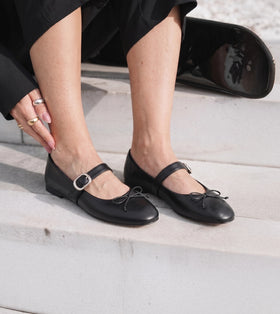
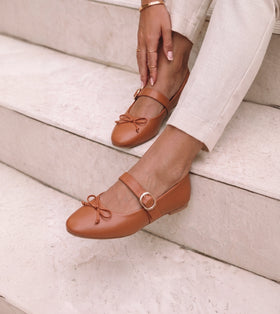
For more on the differences between these materials, Pair-ie Tales also explores leather versus synthetic footwear from a practical perspective. If you're looking for a low-maintenance alternative for rainy days, its flat mary jane shoes offer a comfortable, structured option worth considering.
How to Choose Monsoon-Friendly Footwear
Good monsoon footwear isn't simply about avoiding leather. It is about choosing a pair that suits your environment and plans. For occasions that call for something dressier despite the weather, formal sandals for women can still be a suitable choice with the right care.
Look for:
Comfortable construction
If you're commuting, walking or spending several hours outdoors, comfort should be part of the decision from the beginning.
Reliable grip
Wet surfaces can become slippery, so an outsole with suitable traction is an important consideration.
Appropriate coverage
Your choice should reflect the amount of rain and exposure you expect rather than just the look of the shoe.
Easy maintenance
Footwear that fits naturally into your routine is more likely to receive the care it needs.
At Pair-ie Tales, our approach to footwear brings together style, comfort and everyday confidence—because the shoes you love should work with your lifestyle, not against it.
Monsoon Leather Shoe-Care Routine at a Glance
If you want to remember only four things about how to care for leather shoes in monsoon, make them these:
Before rain: Protect → Inspect → Prepare
After wearing: Wipe → Air → Rotate
If the shoes get wet: Blot → Air-dry → Restore
Before storage: Clean → Dry completely → Store properly
Small habits are easier to maintain than complicated routines, and consistency matters more than having an oversized collection of shoe-care products.
Step Into Monsoon With Pair-ie Tales
Monsoon may change the way you dress, but it doesn't have to change the way you step out. Take care of the pairs you already love, choose footwear that suits your everyday routine, and make room for styles that feel as good as they look.
At Pair-ie Tales, we believe footwear should bring together style, comfort and confidence for the moments that make up real life. Whether you're dressing for work, heading out with friends or simply adding something new to your everyday wardrobe, find a pair that feels like it belongs in your story.
Explore Pair-ie Tales and discover your next favourite pair.
Frequently Asked Questions
Q1. How do you care for leather shoes in monsoon?
Keep them protected from excessive moisture, wipe away dirt quickly, dry them naturally and store them only when completely dry. Use leather-care products that are appropriate for the specific finish.
Q2. Can leather shoes be worn during monsoon?
Yes, leather shoes can be worn during light or moderate rain depending on their construction and protection. Avoid prolonged exposure to heavy rain and standing water.
Q3. Is it safe to dry wet leather shoes in sunlight?
Strong, direct heat is best avoided. Let wet leather shoes dry naturally in a cool, well-ventilated area instead.
Q4. What should you do if leather shoes get soaked?
Blot away excess water, remove removable inserts, help maintain their shape and allow them to air-dry naturally. Clean and condition them only after they are completely dry.
Q5. How can you prevent mould on leather shoes?
Keep footwear completely dry, allow adequate ventilation and avoid storing damp shoes in enclosed spaces. Regularly inspect pairs that are used frequently during humid weather.
Q6. Will rain permanently damage leather shoes?
Not necessarily. Damage depends on the leather, construction, duration of exposure and how the shoes are treated afterward. Proper drying and maintenance can help reduce the risk of lasting problems.
Q7. What should you avoid when caring for leather shoes in monsoon?
Avoid direct heat, harsh scrubbing, unsuitable cleaning chemicals and storing shoes before they are completely dry. Also avoid repeatedly wearing a damp pair.
Q8. Why is shoe rotation important during monsoon?
Rotation gives each pair more time to dry and air out between wears. This can help reduce prolonged moisture exposure and keep frequently worn footwear fresher.