The main types of boots for women include ankle, Chelsea, combat, knee-high, riding, wedge, chunky, sock, over-the-knee, rain, and winter boots. The best choice depends on the occasion, outfit, climate, fit, and comfort you need. Understanding each style makes it easier to build a versatile wardrobe.
The types of boots for women range from versatile ankle and Chelsea boots to statement-making knee-high, combat and over-the-knee styles. Each silhouette works differently with outfits, occasions and weather. The right pair should feel as good as it looks, and once you know what to look for, choosing becomes much easier.
What Are the Different Types of Boots for Women?
Boots can change the character of an outfit in seconds. A sleek ankle boot can make everyday denim look polished, while a chunky combat boot brings an entirely different attitude.
Here are the most useful styles to know.
1. Ankle Boots
Ankle boots end around the ankle and are among the easiest styles to wear throughout the year. Choose a flat pair for everyday errands or a heeled version when you want a little more elevation.
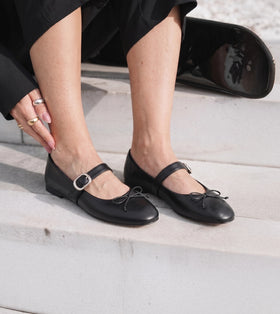
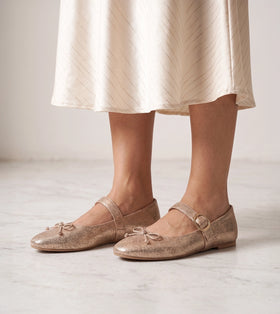
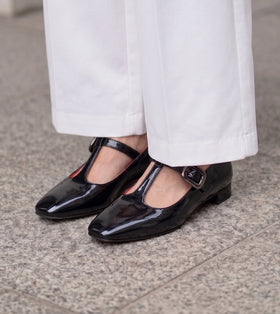
They work beautifully with jeans, trousers, skirts and dresses, making them one of the most versatile choices for a wardrobe, much like a well-chosen pair of flat mary jane shoes for everyday wear.
2. Chelsea Boots
Recognised by their elastic side panels and easy slip-on design, Chelsea boots have a clean, timeless appearance. They pair especially well with straight-leg jeans, tailored trousers and casual dresses.
If you want one pair that can move between casual and smart-casual outfits, Chelsea boots are an excellent starting point.
3. Knee-High Boots
Knee-high boots extend towards the knee and instantly give an outfit a more refined appearance. They can be flat, heeled or built with a block heel.
Wear them with dresses, skirts or fitted trousers when you want a polished silhouette, particularly during cooler months.
4. Combat Boots
Combat boots usually feature a lace-up front and a substantial sole. They bring structure and personality to simple outfits.
Try them with jeans and oversized shirts for a casual look, or contrast their tougher appearance with a feminine dress.
5. Riding Boots
Inspired by traditional equestrian footwear, riding boots generally have a tall, structured shaft and a relatively low heel.
They look particularly elegant with leggings, slim trousers, knit dresses and long coats. Their classic shape also makes them a dependable choice for understated outfits.
6. Over-the-Knee Boots
Over-the-knee boots extend beyond the knee and create a bold, elongated silhouette. They can be styled with short dresses, skirts or oversized knitwear.
Because they already make a strong visual statement, keeping the rest of the outfit relatively simple can create a more balanced look — the same principle that helps a pair of heels shoes for women stand out without overwhelming the outfit.
7. Wedge Boots
Wedge boots have a heel that runs continuously beneath the foot rather than a separate narrow heel. This creates a distinctive shape while offering a broader base.
They can work well when you want added height without the appearance of a traditional high heel.
8. Chunky Boots
Chunky boots are defined by their substantial soles and often their sturdy overall construction. They have become a favourite for contemporary casual dressing.
Pair them with wide-leg jeans, cargo trousers, mini skirts or oversized layers to create a fashion-forward silhouette.
9. Sock Boots
Sock boots have a close-fitting upper that hugs the ankle and lower leg. Their streamlined appearance makes them particularly effective with dresses, skirts and tailored outfits.
They are a good option when you prefer footwear that blends smoothly into the shape of your outfit.
10. Rain and Winter Boots
Rain boots are designed around wet-weather practicality, while winter boots focus on warmth, insulation and traction. The best choice depends on your climate and where you plan to wear them.
For rainy days, prioritise grip and water-resistant construction. For colder destinations, warmth and sole traction become equally important.
How to Choose the Right Boots for Women
Knowing the types of boots for women is only the first step. The better question is: which one actually belongs in your wardrobe?
Consider Your Lifestyle
Think about where you spend most of your time. Someone looking for an everyday pair may get more use from ankle or Chelsea boots, while someone dressing frequently for evenings may prefer a heeled or sleek silhouette.
The most stylish boot is not necessarily the most useful one if it stays in your wardrobe untouched.
Choose the Right Boot Height
Boot height changes both appearance and practicality.
- Ankle: versatile and easy to style
- Mid-calf: distinctive and practical
- Knee-high: polished and elegant
- Over-the-knee: dramatic and fashion-led
Think about the clothes you already own before choosing the shaft height.
Pay Attention to Fit
A beautiful boot can become frustrating if the fit is wrong. Your toes should have enough room to move, while your heel should feel secure when you walk.
For taller boots, also consider how the shaft sits around your calf. It should feel comfortable without restricting movement.
Think About the Heel
Your ideal heel depends on how long you expect to wear the boots and how much walking is involved.
Flat and low heels are practical for everyday movement. Block heels provide elevation with a broader base, while higher heels are better suited to occasions where you will spend less time walking.
Which Types of Boots for Women Work Best for Different Occasions?
Everyday Wear
For daily outfits, ankle and Chelsea boots are easy choices. Their simpler silhouettes work with jeans, trousers and casual dresses without requiring much styling.
Office Wear
Choose refined ankle boots, sleek knee-high boots or understated riding boots. Neutral colours and clean shapes tend to work especially well with tailored clothing, similar to how office wear sandals for women are chosen for the same understated appeal.
Parties and Date Nights
Heeled ankle boots, sock boots and over-the-knee styles can add a dressier finish. Let the boots complement the outfit rather than compete with it.
Travel
Comfort should take priority. Look for a secure fit, manageable heel height and a sole that feels stable when walking for longer periods.
Rainy Weather
Rain-friendly boots should offer appropriate water resistance and dependable grip. This is one situation where appearance should work alongside practicality.
How to Style Different Types of Boots for Women
Boots become much more versatile when you stop thinking of them as seasonal pieces and start treating them as part of the outfit.
With Jeans
Ankle, Chelsea and combat boots all work naturally with denim. Straight-leg jeans create a clean look, while wide-leg denim can be balanced with a more substantial boot.
With Dresses
Try ankle boots with shorter or midi dresses for an effortless everyday combination. Knee-high boots can create a more refined look, while over-the-knee styles make a stronger statement.
With Skirts
A skirt and boots combination allows you to play with proportions. A fitted boot can create a sleek appearance, while chunky boots add contrast to a softer silhouette.
With Tailored Trousers
Sleek ankle boots work particularly well under tailored trousers. Keep the boot shape streamlined if the trousers already have a structured cut.
With Indian and Indo-Western Outfits
Boots can also work with contemporary Indian dressing. Try ankle boots with shorter kurtas, dresses, co-ord sets or layered Indo-Western looks. The key is to maintain a sense of proportion between the hemline and boot height, much as you would when choosing formal sandals for women for a similar occasion.
What Boot Heel Is Best for Comfort?
Comfort is personal, but construction makes a difference.
- Flat boots are a practical choice when you expect considerable walking.
- Block-heel boots offer additional height with a broader heel base and can be easier to manage than narrow heels.
- Wedge boots distribute the heel more continuously beneath the foot, creating a different feel from conventional heels.
- High-heel boots can look elegant for occasions, but the height should match your comfort level and expected activity.
The best pair is one you can actually enjoy wearing—not simply one that looks impressive for five minutes.
What Materials Should You Consider?
Different materials suit different wardrobes and conditions.
- Leather offers a structured, classic appearance and can work well for long-term wardrobe staples when properly cared for, and if you're deciding between materials, this guide on leather vs synthetic shoes breaks it down further.
- Suede has a soft, textured finish that adds richness to outfits but requires more careful maintenance, particularly around moisture.
- Faux leather provides a versatile fashion finish and is commonly used across contemporary boot designs.
- Water-resistant materials are worth considering when rain is a regular part of your routine.
Always follow the care instructions supplied with the footwear, since cleaning and storage requirements vary by material, much as covered in this guide on how to clean white shoes at home.
How Many Types of Boots for Women Do You Actually Need?
You do not need every style to have a useful boot wardrobe.
Start with one versatile everyday pair, such as ankle or Chelsea boots. Add a dressier pair if you regularly attend occasions, followed by a taller or weather-specific style according to your lifestyle and if loafers are part of that plan, this guide on how to style loafers for women is worth exploring.
A thoughtful footwear collection is less about quantity and more about having the right pair for the way you actually dress and move.
Why Pair-ie Tales Belongs in Your Footwear Story
The best footwear decisions start with knowing what you need—and end with finding something that feels distinctly yours.
At Pair-ie Tales, the focus is on footwear that brings together expressive styling and everyday wearability. When you're ready to move from understanding types of boots for women to exploring footwear that complements your personal style, discover the Pair-ie Tales collection.
Find your pair. Style it your way. And let every step tell a little more of your story.
Frequently Asked Questions
Q1. How do I choose the right boots for everyday wear?
Choose a style that works with most of your wardrobe, feels secure while walking and suits your daily routine. Ankle and Chelsea boots are generally versatile options for everyday outfits.
Q2. Can women wear boots with dresses?
Yes. Boots pair well with dresses across seasons. Ankle boots create a casual finish, while knee-high or over-the-knee boots can create a more polished or statement-making look.
Q3. Is it better to buy flat or heeled boots?
It depends on how you plan to wear them. Flat boots are practical for frequent walking, while block or low heels can provide elevation with a stable base.
Q4. What are the best boots for winter?
The best winter boots depend on the climate. Look for suitable warmth, traction and weather resistance. For milder winters, knee-high or riding boots may be sufficient; colder destinations may require insulated footwear.
Q5. Will ankle boots go out of style?
Ankle boots are a longstanding wardrobe staple because their proportions work with jeans, trousers, skirts and dresses. Classic shapes can remain useful even as specific fashion trends change.
Q6. What are the most versatile types of boots for women?
Ankle and Chelsea boots are among the most versatile because they work with casual, smart-casual, and some dressier outfits. The best option ultimately depends on your personal wardrobe.
Q7. Why are Chelsea boots so popular?
Chelsea boots combine a simple silhouette with easy slip-on construction, making them convenient and versatile. Their clean shape works across jeans, trousers, dresses and everyday outfits.
Q8. How should women's boots fit?
Your toes should have enough room to move without feeling squeezed, while your heel should remain secure. Tall boots should also sit comfortably around the calf without restricting movement.