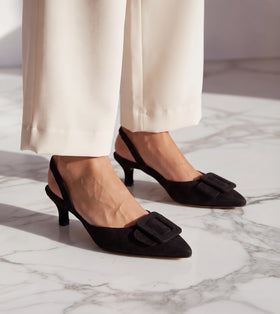
Shoe bite home remedies can soothe minor friction-related irritation by stopping further rubbing, protecting the skin, and keeping the area clean. A cool compress, protective dressing, and temporary break from the offending footwear may ease discomfort. Severe, worsening, or infected-looking wounds need professional medical advice.
A new pair should feel exciting, not leave your heel sore by evening. Along with simple care, understanding fit, friction, and everyday footwear habits can help prevent repeat irritation. Pair-ie Tales brings stylish options for different occasions, so the next step is finding shoes that feel as good as they look.
What Is a Shoe Bite?
A shoe bite is an area of irritated, tender or damaged skin caused by repeated friction or pressure from footwear. It commonly appears around the heel, ankle, toes or sides of the foot, where shoes, straps or stiff edges repeatedly rub against the skin.
At first, you may notice redness, warmth or tenderness. Continued friction can lead to a blister, raw skin or a painful patch that makes walking uncomfortable.
The good news is that minor irritation can often be managed with simple care and, just as importantly, by removing the source of friction. The key is not to keep wearing the same shoes over the sore area and hope your skin simply adjusts.
What Causes Shoe Bites?
Before reaching for shoe bite home remedies, it helps to understand what is causing the irritation. Otherwise, the same problem can return every time you wear the pair.
New or Stiff Shoes
New footwear may have firm edges or materials that have not yet moulded comfortably around your feet. Wearing a new pair for several hours at once can expose the same area to repeated friction.
Incorrect Fit
A shoe that is too tight can place pressure on the toes and sides of the feet. A shoe that is too loose can allow your foot to move around inside it, creating repeated rubbing.
Friction From Movement
Walking, climbing stairs, dancing or standing for long periods increases the amount of movement between your foot and footwear. Even a small area of rubbing can become uncomfortable over time.
Moisture
Sweat and moisture can make friction more noticeable, particularly during hot weather or long days outdoors.
Stiff Straps, Edges or Heel Counters
A strap or hard edge that sits directly against the skin can create a pressure point. If that area is already sensitive, continued contact may quickly turn irritation into a blister.
7 Shoe Bite Home Remedies for Relief
If the skin is only mildly irritated, a few simple measures can help make it more comfortable while you give the affected area time to recover.
1. Use a Cool Compress
A cool compress can provide temporary relief when the area feels sore or warm. Wrap a cold pack or ice in a clean cloth rather than placing ice directly on the skin.
Apply it for a short period, then give the skin a break. The aim is comfort, not prolonged exposure to cold.
2. Protect the Area With a Clean Dressing
If footwear continues to rub the same spot, covering the area can provide a protective layer between the irritated skin and the shoe.
For a blister or area of broken skin, use an appropriate clean dressing and avoid unnecessary touching. Change it as needed according to the dressing instructions and keep the surrounding skin clean.
3. Try Aloe Vera on Minor, Unbroken Irritation
Aloe vera is commonly used as a soothing ingredient for minor skin irritation. If the affected area is intact and your skin tolerates aloe vera, a simple product may feel cooling and comfortable.
Avoid experimenting with multiple ingredients at once, particularly when the skin is already irritated. If the area is open, raw or unusually sensitive, prioritise gentle protection instead.
4. Use Petroleum Jelly to Reduce Friction
Petroleum jelly can create a lubricating barrier on intact skin, which may help reduce rubbing at known friction points.
This is particularly useful as a preventive measure before putting on footwear that tends to rub your heel or another specific area. Apply a small amount rather than coating the entire foot.
5. Keep the Area Clean and Dry
Basic foot care matters when dealing with irritated skin. Gently clean the area and pat it dry instead of rubbing it.
If a blister has opened, protecting the area from further contamination and friction becomes even more important. Avoid applying harsh household ingredients simply because they are popular online.
6. Give Your Feet a Break From the Problem Shoes
One of the simplest shoe bite home remedies is also the easiest to overlook: stop the friction.
If a particular pair is causing pain, switch to footwear that feels comfortable while the irritated area settles. Continuing to wear the same shoes for long periods can keep aggravating the skin.
7. Protect Known Friction Points
If you already know where a shoe tends to rub, prepare that area before wearing it again.
Depending on the location, options may include:
- Blister plasters
- Heel grips
- Protective pads
- Properly fitting socks
- Suitable insoles
- A small amount of petroleum jelly on intact skin
The best option depends on where the friction occurs and how the shoe fits.
What Should You Do If a Shoe Bite Turns Into a Blister?
A blister is your skin's response to repeated friction. Once one appears, the priority should be protecting it from further rubbing.
Keep the area clean and covered with an appropriate dressing, particularly if the blister is likely to come into contact with footwear. Try not to deliberately break the blister. The overlying skin can provide a natural protective covering while the area heals.
Most importantly, identify what caused the blister. If the shoe continues to rub the same spot, even the best shoe bite home remedies will offer only temporary relief.
Should You Pop a Shoe Bite Blister?
Generally, avoid intentionally popping a small blister yourself. Opening it creates an exposed area that requires careful protection and hygiene.
If a blister is very large, extremely painful, repeatedly reopening, or showing signs of infection, seek appropriate medical advice rather than relying solely on home treatment.
Shoe Bite Home Remedies for Different Areas of the Foot
The location of the irritation often tells you something about the way your footwear fits.
Shoe Bite on the Heel
Heel rubbing is often associated with movement between the back of the shoe and your foot. A properly fitting heel area, suitable socks, heel protection or a blister plaster may help reduce repeated friction.
If your heel keeps slipping in the shoe, reassess the fit rather than simply applying more products to the skin.
Shoe Bite on the Toes
Toe irritation may occur when the front of the shoe presses against your toes or leaves too little room for natural movement.
Look at both length and width when choosing footwear. Your toes should have appropriate space rather than being compressed against the front.
Shoe Bite Around the Ankle
Ankle irritation can come from straps, stiff edges or repeated movement. Check where the shoe is contacting the skin and whether adjusting the fit or using a protective layer can reduce friction.
How to Prevent Shoe Bites From New Shoes
The most effective approach is prevention. Once you know which areas are vulnerable, small changes can make new footwear much more comfortable.
Choose the Right Fit
Do not rely on the idea that a shoe should hurt initially and become comfortable later. Check how your feet actually feel inside the footwear.
Consider the width, toe room, heel movement and pressure created by straps or edges.
Break New Shoes In Gradually
Rather than wearing a new pair for an entire day immediately, start with shorter periods. This gives you an opportunity to identify pressure points before they become painful.
If you notice rubbing, stop and address the area rather than pushing through the discomfort.
Wear Suitable Socks
For footwear that allows socks, choose a pair that fits comfortably without bunching or creating additional pressure. Breathable materials can also help manage moisture during longer periods of wear.
Protect Friction Points Before You Leave
If you know a particular pair tends to rub your heel, prepare before the irritation starts. A blister plaster, heel grip or suitable friction barrier may help.
Prevention is much easier than trying to make a painful blister comfortable halfway through a busy day.
Choose Comfort Alongside Style
A beautiful shoe becomes much less appealing when every step reminds you of the pressure point.
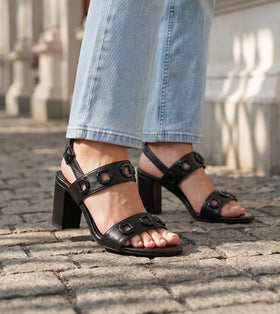
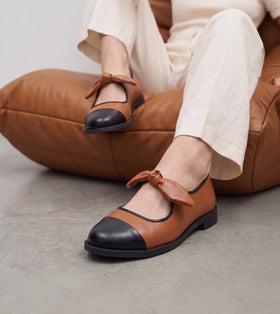
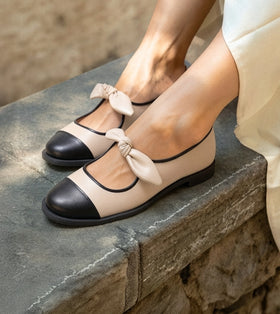
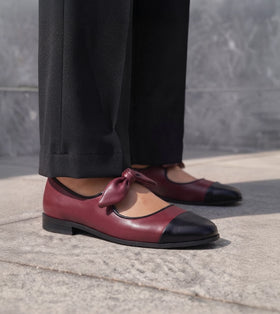
Pair-ie Tales offers different footwear categories, including heels, flats, sandals, wedges, kitten heels, and Mary Janes, giving you room to choose a style according to the occasion and the way you expect to wear it. Its current collection includes options such as Velvet Mary Janes - Wine, Metallic Accent Toe Ring Flat Sandals - Brown, and Studded Espadrille Wedges - Light Cream.
The goal isn't to say that one particular style can prevent shoe bites. It is to remember that the right choice starts with considering how a shoe fits and feels on your own feet.
Everyday Habits That Can Help Keep Shoe Bites Away
Good footwear habits can make a noticeable difference.
- Check the fit before wearing a new pair for a full day.
- Pay attention to early signs of rubbing.
- Keep your feet reasonably dry.
- Break new footwear in gradually.
- Carry a blister plaster when wearing unfamiliar shoes for a long day.
- Give irritated areas time to recover.
- Avoid repeatedly wearing footwear that causes the same pressure point.
- Choose shoes according to the activity, not just the outfit.
- Reconsider the fit if your heel repeatedly slips or your toes feel compressed.
These simple habits can make shoe bite home remedies less necessary because you are addressing the source of the friction rather than repeatedly treating its effects.
Shoe Bite Remedies You Should Be Careful With
The internet is full of DIY suggestions for irritated skin, but natural does not automatically mean suitable for every wound.
Be cautious about applying toothpaste, strong essential oils, harsh mixtures or other irritating household ingredients directly to damaged skin. Broken or blistered skin needs particularly gentle care.
It is also worth remembering that advice suitable for mild redness may not be appropriate for an open wound. If your skin is broken, focus on cleanliness, protection and avoiding further friction.
When in doubt, a simple approach is often better than layering several untested ingredients onto an already irritated area.
When Should You Seek Medical Advice for a Shoe Bite?
Most minor friction-related irritation can improve when the source of rubbing is removed and the area is protected. However, some situations require professional attention.
Seek medical advice if you notice:
- Increasing or severe pain
- Significant swelling
- Spreading redness
- Increasing warmth around the area
- Pus or unusual discharge
- Fever
- A wound that is not improving
- Repeated or unexplained skin problems
People with conditions that affect circulation, sensation or wound healing should also take foot injuries seriously and seek professional guidance rather than relying only on home care.
Step Into Comfort With Pair-ie Tales
Treating an irritated heel can help you get through the day, but preventing the same problem starts much earlier, with the way you choose, fit and wear your shoes.
At Pair-ie Tales, the collection spans heels, flats, sandals, wedges, kitten heels and Mary Janes, so there is a style for everything from everyday plans to dressed-up occasions. If you love a polished look, explore pieces such as Velvet Mary Janes - Wine, Knotted Stiletto Mules - Cream, or Interlock Detail Ankle Strap Wedges - Light Gold and choose according to the occasion, fit and comfort you need.
Because the right pair should not make you choose between looking good and feeling good. Explore Pair-ie Tales and find the shoes you’ll be happy to step out in, and happy to keep walking in.
FAQs
Q1. How can I get quick relief from a shoe bite?
Stop wearing the footwear causing the rubbing, gently clean the area, protect it with an appropriate dressing and use a cool compress for temporary comfort. Avoid further friction until the skin settles.
Q2. Can aloe vera help a shoe bite?
Aloe vera may feel soothing on minor, intact irritated skin if you tolerate it. Avoid applying products indiscriminately to open or damaged skin, and stop using them if they cause irritation.
Q3. Is petroleum jelly good for preventing shoe bites?
Petroleum jelly can help reduce friction on intact skin by creating a lubricating barrier. It may be useful around areas that commonly rub, such as the heel, but it does not correct an underlying poor shoe fit.
Q4. Will a shoe bite heal on its own?
A minor shoe bite can improve once the source of friction is removed and the area is protected. Healing may take longer if the skin continues to rub against footwear or if a blister has formed.
Q5. What should I put on a shoe bite blister?
Keep the blister clean and protect it with an appropriate dressing to reduce further rubbing. Avoid deliberately popping it. If it becomes increasingly painful, swollen, warm or produces discharge, seek medical advice.
Q6. Why do my new shoes keep giving me shoe bites?
Repeated shoe bites usually mean there is ongoing friction, pressure or movement in a particular area. Check the shoe's size, width, heel fit, straps and construction, and consider whether the footwear suits the amount of walking you do.
Q7. How can I prevent shoe bites from new shoes?
Start by choosing a suitable fit, then wear the shoes for shorter periods while breaking them in. Protect known friction points, wear suitable socks where appropriate, and stop if you notice persistent rubbing.
Q8. What is the best way to avoid shoe bites altogether?
There is no single method that works for everyone. The best approach is to combine a good fit with gradual wear, appropriate foot protection and attention to early signs of friction. Choosing footwear that suits both your feet and your activity also matters.