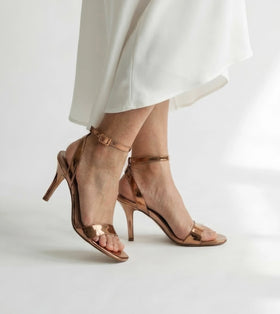
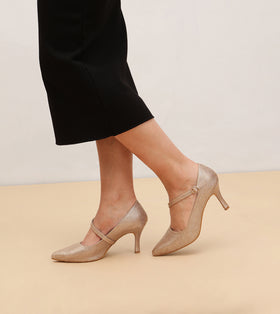
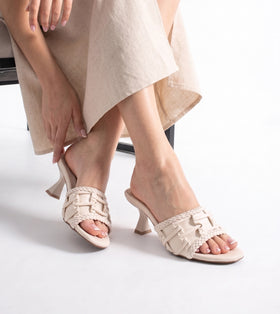
Walking in heels becomes easier when you maintain proper posture, take smaller steps, and choose supportive footwear with the right heel height. Beginners should start with block or mid-height heels, practice heel-to-toe movement, and avoid rushing. Comfortable, well-fitted heels improve balance, reduce pain, and help build long-term confidence.
If you've ever wondered how to walk in heels without wobbling, foot pain, or losing confidence after a few steps, the good news is that it's a skill anyone can learn. The secret lies in posture, balance, and wearing the right pair of heels for women. At Pair-ie Tales, we believe style should feel as good as it looks, which is why comfort plays a major role in walking gracefully and confidently in heels.
Whether you’re preparing for a wedding, heading to work, or dressing up for a special evening, learning how to walk in heels properly can completely change the way you feel and move.
Why Walking In Heels Feels Difficult At First
For beginners, heels can feel unnatural because they shift your body weight forward and change your natural posture. Unlike flats, heels force your feet into an elevated position, which affects balance, stride length, and pressure distribution.
When learning how to walk in heels, many people make the mistake of walking too quickly or taking large steps. This often creates instability and discomfort.
Another challenge is posture. Wearing heels changes the alignment of your spine and hips, so your muscles need time to adjust. Once you understand how your body responds, walking in heels becomes smoother and far more comfortable.
Start With The Right Pair Of Heels
One of the most important steps in learning how to walk in heels is choosing footwear that supports your feet properly.
Not all heels are designed for comfort. Some styles look beautiful but offer very little stability, especially for beginners.
Choose A Beginner-Friendly Heel Height
If you're just starting out, avoid extremely high heels for women. A heel height between 2–3 inches is usually easier to balance in and puts less strain on the feet.
Block Heels Offer Better Stability
Block heels for women distribute body weight more evenly and provide better support than thin stilettos. They are ideal for long events, office wear, and daily styling.
Cushioning Makes A Huge Difference
Comfort-focused footwear with padded soles and arch support can significantly reduce pressure on the balls of your feet.
At Pair-ie Tales, comfort-driven design and Cloud Comfort cushioning are created to help women enjoy style without sacrificing wearability.
The Right Fit Matters
A heel that is too loose can cause slipping, while tight shoes can create pain and blisters. Your feet should feel secure without being squeezed.
Step-By-Step Guide On How To Walk In Heels
Learning how to walk in heels becomes much easier when you break it down into simple steps.
1. Stand Tall With Proper Posture
Keep your shoulders relaxed, your back straight, and your chin level. Good posture instantly improves balance and creates a more elegant appearance.
Avoid leaning forward, as this puts unnecessary pressure on your toes.
2. Walk Heel-To-Toe
One of the biggest secrets to graceful movement is placing your heel down first, followed by your toes. This creates a smoother and more natural stride.
3. Take Smaller Steps
Heels naturally shorten your stride length. Smaller steps help maintain balance and make your walk appear more polished and controlled.
4. Look Ahead Instead Of Down
Looking at the floor while walking can affect posture and confidence. Focus your eyes forward and trust your movement.
5. Keep Your Weight Slightly Back
Many beginners lean forward unconsciously. Keeping your body weight centered or slightly back helps reduce pressure on the front of your feet.
6. Practice On Different Surfaces
Practice walking on carpet, wooden floors, and smooth surfaces before wearing heels outdoors or at events. This helps build confidence and improves stability.
How To Walk In Heels Without Pain
A common concern when learning how to walk in heels is discomfort. While some pressure is normal initially, pain should never feel unbearable.
- Stretch Your Feet Before Wearing Heels: Simple ankle rolls and calf stretches improve flexibility and reduce stiffness.
- Use Cushioned Insoles: Gel pads or cushioned inserts can absorb shock and improve comfort during long hours of wear.
- Take Breaks Whenever Possible: If you’re attending an event or spending hours standing, sit down occasionally to reduce strain on your feet.
- Alternate Heel Heights: Wearing very high heels every day can put excessive pressure on the feet. Switching between lower and higher heels helps prevent fatigue.
- Choose Breathable Materials: Soft, flexible materials reduce friction and help avoid blisters.
Common Mistakes To Avoid When Walking In Heels
Even experienced heel wearers can develop habits that affect comfort and posture.
- Walking Too Fast: Rushing creates instability and increases the chance of stumbling.
- Wearing Heels That Are Too High: Very high heels may look glamorous, but they are not always practical for long wear.
- Ignoring Shoe Fit: A poorly fitted heel can affect the way you walk and lead to unnecessary discomfort.
- Leaning Forward: This is one of the most common posture mistakes and can make walking look awkward.
- Skipping Practice: Confidence comes with repetition. Practising at home before an event can make a huge difference.
Best Types Of Heels For Different Occasions
Different occasions require different types of heels for women and different levels of support and comfort.
- Office & Everyday Wear: Block heels and kitten heels work best for daily use because they offer stability and comfort.
- Weddings & Long Events: For weddings or celebrations, choose elegant heels with padded soles and supportive straps.
- Parties & Evenings Out: Strappy heels and platform styles can create a stylish look while offering additional support.
- Travel-Friendly Heels: Lightweight heels with cushioning are ideal for travelling or long days on your feet.
How Long Does It Take To Learn Walking In Heels?
Most people become noticeably more comfortable within a few practice sessions. Like any physical skill, consistency matters more than perfection.
If you practise regularly and wear supportive heels, learning how to walk in heels can feel natural surprisingly quickly.
The key is patience. Confidence develops over time as your balance and posture improve.
Confidence Is The Secret To Walking Beautifully In Heels
The most graceful people in heels are not necessarily the fastest walkers or the ones wearing the highest stilettos. They simply feel comfortable and confident in what they’re wearing.
Confidence affects posture, movement, and overall presence. When your shoes support your feet properly, you naturally walk with more ease and elegance.
That's why choosing heels for girls designed for real-life comfort matters just as much as style.
Walk With Confidence — Not Compromise
At Pair-ie Tales, we believe women should never have to choose between beauty and comfort. Our heels are thoughtfully designed with signature Cloud Comfort cushioning, wearable support, and timeless silhouettes that move effortlessly with your lifestyle.
Whether you’re stepping into heels for the first time or searching for pairs you can wear all day, Pair-ie Tales helps you feel confident with every step.
Because true style isn’t about enduring discomfort, it’s about walking comfortably, confidently, and unapologetically.
Frequently Asked Questions
Q1. How can beginners learn how to walk in heels easily?
Beginners should start with lower block heels, practise walking heel-to-toe, maintain proper posture, and take smaller steps. Practising indoors first can help improve balance and confidence.
Q2. How do you walk in heels without pain?
Choose supportive heels with cushioning, avoid excessive heel height, stretch your feet beforehand, and take sitting breaks during long wear.
Q3. Can you wear heels comfortably all day?
Yes, comfortable heels with proper arch support, padding, and stable heel construction can be worn for extended hours more comfortably than poorly designed footwear.
Q4. Can walking in heels improve posture?
Heels can encourage a straighter posture when worn correctly, but poor-quality heels or incorrect walking habits may create strain instead.
Q5. Is it difficult to learn how to walk in heels?
It may feel challenging at first, but most people improve quickly with practice, proper footwear, and posture awareness.
Q6. Will wearing heels every day damage your feet?
Wearing extremely high or unsupportive heels daily may cause discomfort over time. Alternating heel heights and choosing supportive styles can help reduce strain.
Q7. What are the best heels for beginners?
Block heels, kitten heels, and mid-height heels are generally best for beginners because they provide better balance and stability.
Q8. Why do heels hurt the balls of your feet?
Heels shift body weight forward, placing extra pressure on the front of the foot. Cushioning and supportive shoe construction can help reduce this pressure.