How to take care of your footwear starts with simple habits: wipe away dust after wear, clean each material appropriately, avoid excess moisture and direct heat, let shoes air-dry naturally, store them in a cool, dry place, and rotate pairs. Regularly checking soles, heels, straps and embellishments also helps preserve appearance, shape and everyday wearability.
How to take care of your footwear does not require an elaborate routine. Gentle cleaning, sensible storage, careful drying and regular checks can keep favourite pairs looking polished and ready to wear. From everyday flats to occasion heels, small habits make a difference. When a pair becomes part of your story, caring for it makes every step feel more considered.
Why Is Footwear Care Important?
Knowing how to take care of your footwear helps preserve the details that made you choose a pair in the first place. It also helps you notice small maintenance issues early. Most importantly, footwear care should match the shoe. A velvet Mary Jane, a faux-leather flat and an embellished sandal should not all be treated in exactly the same way.
Shoes move with you through commutes, celebrations, errands, workdays and long evenings. Dust settles on their surface, soles pick up grime, straps experience repeated movement, and delicate finishes can lose their freshness with careless handling a good reason to check the fit carefully using this guide on how to measure footwear size before adding a new pair to the rotation.
How to Take Care of Your Footwear: 10 Essential Tips
1. Clean Your Footwear Regularly
Do not wait for visible stains to build up. After wearing your shoes, gently remove surface dust with a soft, dry cloth. Use a slightly damp cloth only when the material allows it.
The key is restraint. Scrubbing too hard or using an unsuitable cleaner can affect the finish. Check the care instructions before applying a new product.
2. Use the Right Cleaning Method for the Material
There is no universal shoe-cleaning routine. Faux leather, velvet, suede, canvas, patent finishes and embellished footwear can react differently to moisture and friction.
Smooth faux leather usually benefits from gentle wiping. Velvet needs a lighter touch because its texture can be disturbed. Suede and nubuck generally need material-specific brushes and cleaners rather than water-heavy methods.
If unsure, test a product on a small, less visible area first.
3. Keep Footwear Away From Excess Water
A key part of how to take care of your footwear is avoiding soaking it, especially sandals or shoes with decorative details. If a pair gets damp, blot away surface moisture and let it dry naturally in a well-ventilated place the same gentle approach covered in this guide on how to clean white shoes at home.
Do not put wet footwear straight into a closed cupboard or bag. Let moisture leave completely before storage.
4. Let Your Shoes Air Out After Wearing
After wearing them, leave shoes in a clean, airy spot before storage, especially after travel or extended wear. Giving footwear some breathing room is an easy habit to build into your routine.
Instead of immediately placing a worn pair into a packed wardrobe, allow it a little time outside the cupboard. This simple pause can make your overall care routine more thoughtful.
5. Store Footwear in a Cool, Dry Place
If you are learning how to take care of your footwear, remember that good storage is part of good care. Keep footwear away from direct sunlight, damp corners and unnecessary heat. Sunlight can gradually affect certain colours and finishes, while cramped storage can put pressure on the shape.
Use a dust bag or suitable shoe box. For structured flats or Mary Janes, gentle stuffing can support the shape when appropriate.
6. Rotate Your Footwear
Rotation gives footwear time between wears and helps you choose the right pair for different activities and settings.
Keep dependable options in your wardrobe: flats for busy days, sandals for relaxed outings, wedges for a little height and formal heels for women for occasions. It is practical, and it also gives you more opportunities to enjoy the footwear you already own.
7. Check the Soles and Heel Tips
Look at the parts of your shoes that meet the ground. Soles and heel tips experience friction, so regular checks can help you notice visible wear early.
Watch for loose components, worn heel tips or sole separation. If something needs more than home care, professional repair may be better.
8. Handle Straps, Buckles and Embellishments Gently
Straps, buckles, beads, metallic accents and other decorative elements deserve extra care. Do not scrub them aggressively or expose them unnecessarily to water.
Clean around decorative details carefully with a soft cloth and avoid pulling on them. This is particularly important for occasion footwear that spends more time stored between wears.
9. Pack Your Footwear Carefully While Travelling
Give footwear its own space whenever possible. A fabric shoe bag can help keep dust away and prevent shoes from rubbing against other belongings.
Avoid crushing structured designs under heavy luggage. Before packing a pair that has been worn, make sure it is clean and completely dry.
10. Know When Your Footwear Needs Professional Attention
Not every footwear problem can be solved with a cloth and cleaner. Deep scratches, damaged heel tips, loose soles or structural issues may need specialist attention.
Professional repair can be more appropriate than repeated home fixes. If care instructions are unclear or the material is delicate, expert advice is wiser than experimenting.
How to Take Care of Different Types of Footwear
Heels
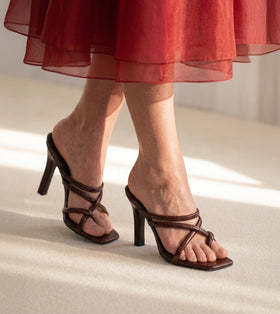
Heels deserve attention at the points that take the most pressure: the heel tip, sole, straps and upper. Wipe them gently after wear and store them where the shape will not be crushed, whether you're caring for everyday high heels for women or a more special-occasion pair.
For example, Pointed Toe Sculpted Pumps - Brown can be reserved for suitable occasions, while regular rotation helps keep individual pairs from becoming overworked.
Sandals
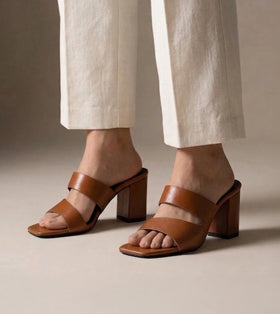
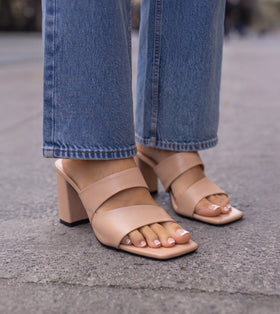
Sandals are more exposed to the environment because of their open construction. Wipe away dust after use, clean straps gently and avoid soaking them. Let them air-dry naturally before storage, a habit worth keeping for delicate styles like sandals for girls heels too.
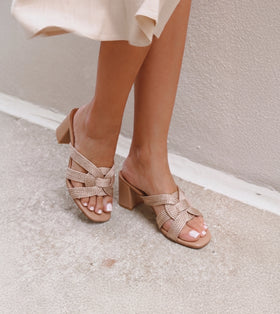
Beaded Heels Sandal - Tan, for example, calls for careful handling around decorative details. Store embellished sandals in a dust bag and avoid placing heavy items on top.
Flats and Mary Janes
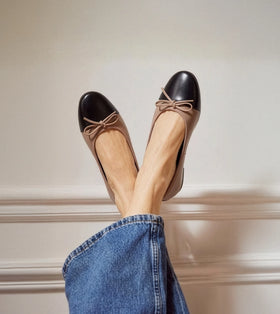
Flats are often everyday favourites, so they can accumulate dust and surface marks quickly. A simple wipe after wear can become part of your routine.
With Buckled Mary Janes Ballet Flats - Tan, pay attention to the buckle and decorative details while cleaning. Velvet Mary Janes - Wine should also be handled gently so its textured surface retains its character.
Wedges
Wedges combine height with a larger sole structure, so check the platform and edges regularly. Remove dust without saturating the material and store them without putting pressure on the upper similar care applies to structured pumps heels with a defined silhouette.
Studded Espadrille Wedges - Tan, for example, should be handled carefully around its studded detailing and stored away from direct sunlight.
What Footwear Care Mistakes Should You Avoid?
Knowing how to take care of your footwear also means avoiding unnecessary care mistakes; some come from doing too much rather than too little.
Avoid soaking footwear unless the manufacturer specifically says it is suitable. Do not use direct heat such as a hairdryer to speed up drying. Avoid applying one cleaner to every material. Do not leave shoes in direct sunlight for prolonged periods. And never force a damp pair into closed storage.
Another easy mistake is ignoring small signs of wear. A loose strap, worn heel tip or damaged sole deserves attention before the issue affects the whole shoe.
What Footwear Care Products Do You Actually Need?
You do not need a cupboard full of specialist products. Start with a soft cloth, storage bags, material-specific cleaners when needed, and suitable shape-supporting inserts.
Choose care products according to the material and read the manufacturer's instructions before using conditioners, polishes, sprays, or cleaning solutions.
The goal is not to collect more products. It is to use the right product, in the right way, when your footwear actually needs it and the same thoughtful approach applies when deciding what footwear to wear with one piece dress for an occasion.
How Often Should You Take Care of Your Footwear?
Knowing how to take care of your footwear daily can be as simple as removing visible dust after wearing a pair. A deeper clean can be done when footwear needs it rather than according to a rigid calendar.
Every few weeks, inspect soles, heel tips, straps, and decorative details, especially on frequently worn pairs. Before storing footwear for longer periods, clean it gently, make sure it is completely dry, and place it somewhere cool and protected.
Final Takeaway: Care for Every Pair You Love
Learning how to take care of your footwear is really about paying attention. It is a simple way to make your footwear routine more thoughtful. Wipe away the day's dust. Let a worn pair breathe. Store it thoughtfully. Rotate your favourites. Treat delicate details with patience. When something needs more than everyday maintenance, get it repaired rather than forcing a quick fix.
The best footwear becomes more than something you wear. It becomes part of the places you go, the outfits you remember and the moments you carry with you. That is where Pair-ie Tales fits naturally: footwear for real days, from work and travel to dinners, celebrations and everything in between.
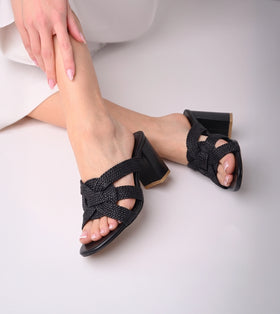
Explore Pair-ie Tales' heels, flats, sandals, wedges and Mary Janes, and choose the pairs that feel right for your everyday story. From Pointed Toe Sculpted Pumps - Brown to Entwined Woven Strap Flats Sandal - Brown and Velvet Mary Janes - Wine, give your favourites the care they deserve, and let them walk a little further with you.
Find your next Pair-ie Tales favourite, care for it well, and make every step part of your story.
Frequently Asked Questions
Q1. How can I take care of my footwear every day?
Wipe away visible dust after wear, let footwear air out, and store it in a cool, dry place. Avoid unnecessary moisture and check the pair regularly for marks or visible wear.
Q2. Can I wash my footwear with water?
Not always. Some materials tolerate light wiping with a damp cloth, while others need specialised care. Check the manufacturer's instructions before using water, and never soak footwear unless it is designed for washing.
Q3. Is direct sunlight good for drying footwear?
No. Direct sunlight and strong heat can affect certain materials, colours and finishes. If footwear becomes damp, let it air-dry naturally in a well-ventilated place away from direct heat.
Q4. Will rotating my shoes make a difference?
Yes. Rotating footwear gives individual pairs time between wears and reduces reliance on one pair for every occasion. It also lets you match footwear to different activities and outfits.
Q5. What is the best way to store footwear?
Keep shoes clean and completely dry before storage. Place them in a cool, dry area away from direct sunlight, use a dust bag or suitable box, and avoid overcrowding them.
Q6. Why should different footwear materials be cleaned differently?
Materials have different textures, finishes and levels of moisture sensitivity. A method that works for smooth faux leather may not suit velvet, suede or embellished footwear, so material-specific care helps protect the finish.
Q7. How do I take care of sandals without damaging them?
Wipe sandals gently with a soft cloth, avoid soaking them, clean straps and embellishments carefully, and let them air-dry naturally after extended wear. Store them in a cool, dry place.
Q8. Can I repair footwear myself?
Simple surface cleaning can usually be handled at home, but damaged soles, heel tips, loose structural parts or delicate materials may require professional attention. If a repair could affect construction, seek expert help.