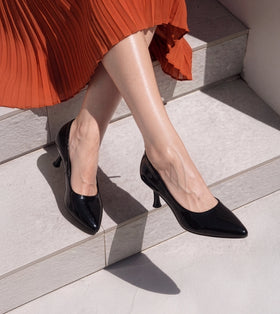
High heels vs pumps difference comes down to one key point: pumps describe a shoe style, while high heels describe footwear with an elevated heel. A pump can have a low, medium, or high heel, while high heels can include pumps, stilettos, block heels, wedges, and other designs.
High heels vs pumps difference can seem confusing because the terms are often used interchangeably. The simplest way to remember it is that pumps are a style of shoe, while high heels are defined by their raised heel. Once you know that distinction, choosing between them becomes much easier. And there is more to the choice than heel height.
What Is the Difference Between High Heels and Pumps?
The biggest difference between high heels and pumps is that they describe two different characteristics of footwear.
High heels refer broadly to shoes where the heel is elevated significantly above the sole. They come in many silhouettes, including stilettos, block heels, wedges, kitten heels and platforms. Their defining feature is the raised heel rather than one particular upper or shoe shape.
Pumps, on the other hand, generally describe a closed, slip-on shoe silhouette, traditionally with a relatively low-cut vamp and a heel. Pumps may have different heel heights, so they are not automatically synonymous with high heels.
That means a pump can be a high heel, but not every high heel is a pump.
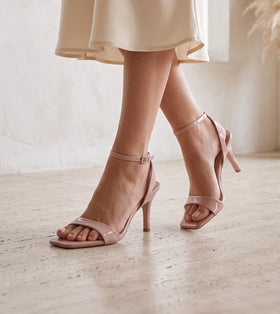
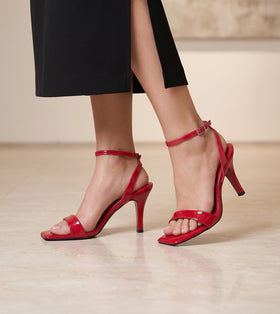
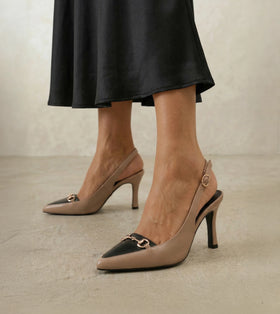
For example, a pointed-toe pump with a tall slender heel falls into both categories. A strappy stiletto sandal is a high heel, but it is not typically called a pump.
Pair-ie Tales' footwear collection reflects this variety, with distinct categories for heels, pumps, mules and wedges, along with different heel heights ranging from 1.5 to 3 inches.
High Heels vs Pumps Difference: Understanding the Two Styles
What Are High Heels?
High heels are designed with a raised heel that changes the height and angle of the foot. The category includes several constructions, so there is no single “high heel” look.
Common types include:
- Stiletto heels: Slim, narrow heels that create a more dramatic silhouette.
- Block heels: Wider heels that provide a more grounded appearance.
- Kitten heels: Shorter heels offering subtle elevation.
- Wedges: A heel that extends beneath the foot rather than standing on a separate heel.
- Platform heels: Shoes with additional sole height, often paired with a high heel.
The right style depends on your outfit, occasion, preferred height and how long you plan to wear the shoes. Browsing a full range of high heels for women can help you compare these silhouettes side by side before deciding.
What Are Pumps?
Pumps are usually closed-toe, slip-on shoes with a relatively simple silhouette. They can be pointed, rounded or almond-toed and may feature low, medium or high heels.
Their clean shape is one reason pumps are commonly associated with office dressing, formal occasions and polished everyday outfits.
A pair of pumps can also be surprisingly versatile. Wear them with tailored trousers for work, a midi dress for dinner, or jeans when you want a more refined finish without changing your entire outfit. If you're building a versatile collection, exploring pumps for women can help you find a silhouette that works across these occasions.
Are Pumps Considered High Heels?
Sometimes, yes.
A pump with a raised heel can certainly be considered a high-heeled shoe. However, “pump” refers mainly to the shoe's style, while “high heel” refers to its heel construction and elevation.
This distinction is important because it prevents the common assumption that every pump must have a very high heel. If you'd like a clearer breakdown of the different shapes and constructions, this guide on types of heels for ladies can help you tell them apart.
High Heels vs Pumps Difference: Key Factors to Compare
When considering the high heels vs pumps difference, look beyond the name of the shoe.
Design and Construction
Pumps generally have a closed, streamlined upper, while high heels can be open-toe, strappy, closed-toe, slingback or even sandal styles.
Heel Height
Pumps can feature different heel heights. High heels, by definition, focus more strongly on elevation.
So, if you want a polished shoe without dramatic height, a lower-heeled pump may be a practical choice.
Stability
Heel width and overall construction can influence how stable a shoe feels. A wider block heel generally provides a different walking experience from a narrow stiletto.
However, stability is not determined by the word “pump” or “heel” alone. Fit, sole construction, heel placement and individual comfort all matter.
Versatility
Pumps tend to work particularly well when you want one pair that can move between professional, formal and smart-casual outfits. Other high-heel styles can be more occasion-specific, especially when they feature dramatic shapes or embellishments.
Are Pumps More Comfortable Than High Heels?
There is no universal answer.
A comfortable pump can feel easier to wear than a very high stiletto, but that does not mean every pump is automatically more comfortable. Comfort depends on factors such as heel height, fit, cushioning, toe shape, material, stability and how long you intend to wear the shoes.
If you are choosing footwear for a full workday, prioritise a secure fit and a manageable heel height rather than selecting a style purely because it looks elegant.
Pair-ie Tales describes its heels around a combination of fashion and comfort, with cushioning technology and different heel constructions designed for work, parties and everyday wear.
How to Choose Comfortable Heels and Pumps
A stylish shoe is only useful if you can actually enjoy wearing it.
Keep these points in mind:
- Choose the right size: Your shoes should feel secure without squeezing your toes.
- Check the toe area: Pointed shoes should not create excessive pressure.
- Consider heel height: Lower or moderate heels may be easier to manage for longer periods.
- Look for cushioning: A cushioned footbed can make a noticeable difference to everyday wear.
- Think about stability: A broader heel can feel more grounded than an extremely narrow heel.
- Consider the occasion: Shoes for a short dinner and shoes for several hours of standing do not necessarily need the same design.
Pair-ie Tales' current heels collection includes options in 1.5-, 2-, 2.5- and 3-inch heel heights, giving shoppers several elevation levels to consider.
When Should You Choose Pumps?
Pumps are an excellent choice when you want a polished silhouette that can adapt to different settings.
For Office Wear
A classic pump works naturally with tailored trousers, pencil skirts, formal dresses and structured suits. Neutral shades can create a refined everyday wardrobe, while prints or richer colours can add personality. Pair-ie Tales' pumps heels collection offers several neutral and statement options suited to office dressing.
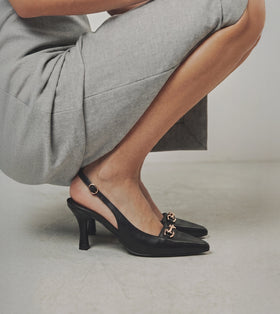
For a classic, polished look, Slingback Pointed Toe Pumps - Black can complement formal separates without overpowering them.
For Formal Events
Pumps can transition easily into dinners, receptions and other dressier occasions. Look for pointed toes, interesting textures, metallic details or distinctive finishes when your outfit needs something more noticeable.
For Everyday Styling
A pump does not have to be reserved for formal clothing. Pair one with straight-leg jeans, wide-leg trousers or a simple midi dress for a smart-casual look.
When Should You Choose High Heels?
High heels make sense when you want more visual elevation, a stronger statement or a particular silhouette.
For Parties and Evening Events
A stiletto or statement heel can add drama to an evening outfit. Black heels are particularly versatile with dresses, jumpsuits and tailored evening separates. For younger shoppers exploring this look, a range of high heels for girls offers similar statement styles suited to their fit.
For a sharper evening look, Stiletto-Heel Ankle Strap Sandals - Black bring a more statement-driven shape than a traditional pump.
For Weddings and Celebrations
Festive occasions often allow more room for colour, embellishment and distinctive silhouettes. A metallic or textured heel can become part of the outfit rather than simply completing it.
For Subtle Elevation
You do not need an extremely tall heel to enjoy the look of elevated footwear. Kitten heels and moderate block heels can add height while maintaining a more understated appearance.
High Heels vs Pumps Difference for Office, Parties and Everyday Wear
The best choice often becomes clearer when you start with the occasion.
- For the office: Choose a classic pump or moderate heel that works with tailored clothing and remains manageable throughout the day.
- For parties: A stiletto or statement heel can create a more dramatic look.
- For everyday wear: Consider a lower heel, kitten heel or stable construction that complements your routine.
- For weddings: Choose according to the outfit, venue and expected amount of walking or standing.
- For casual styling: Pumps can add polish to jeans and relaxed tailoring, while block or kitten heels can provide a softer approach to everyday elevation.
How to Choose the Right Heel Height
There is no single heel height that works for everyone. Your choice should reflect your comfort, experience and the occasion.
Low Heels
Ideal when you want subtle elevation and easy styling for everyday activities or work.
Mid-Height Heels
A useful middle ground for office outfits, dinners and occasions where you want a noticeable lift without going straight to a very tall heel.
Higher Heels
Best suited to occasions where height and visual impact are more important than extended walking or standing.
The key is not to treat heel height as a measure of style. The right height is the one that works with your outfit and lets you move confidently. If you're also weighing platforms against traditional pumps, Platform vs. Pumps breaks down how each affects comfort and appearance.
How to Style Pumps and High Heels
Styling is where the difference between the two becomes especially interesting.
Pair classic pumps with:
- Tailored trousers and blazers
- Straight-leg or wide-leg jeans
- Midi and pencil skirts
- Work dresses
- Minimalist evening outfits
Choose high heels when you want to introduce more visual drama through:
- Metallic finishes
- Strappy designs
- Bold colours
- Textured surfaces
- Statement silhouettes
For example, Asymmetric Textured Snake-Print Strappy Heeled Pumps - Brown can bring visual interest to a relatively simple outfit without requiring excessive accessories.
For a more distinctive finish, Patent Croc-Effect Print Pointed Toe Pumps - Brown can work as a statement element while retaining the structured shape associated with pumps.
Common Mistakes to Avoid When Choosing Between Pumps and High Heels
One of the biggest mistakes is choosing a shoe solely because it looks good in a photograph.
Instead, consider how you will actually use it.
Avoid:
- Choosing an unnecessarily high heel for a day involving lots of walking.
- Ignoring the shape and fit of the toe area.
- Assuming every pump offers the same level of comfort.
- Buying a size that feels too tight because the material may “stretch later.”
- Selecting a heel that does not suit the venue or occasion.
- Prioritising height over stability and confidence.
A good pair should complement your wardrobe while fitting naturally into your lifestyle.
High Heels vs Pumps Difference: Which One Should You Choose?
The high heels vs pumps difference becomes simple once you separate shoe style from heel type.
Choose pumps when you want a classic, polished silhouette that can work across office, formal and smart-casual outfits.
Choose high heels when you want more variety in heel shapes, height and overall design. Stilettos can create a dramatic finish, while block and kitten heels offer more understated alternatives.
Ultimately, the best pair is not necessarily the tallest or trendiest. It is the one that suits the occasion, complements your outfit and feels right for the way you plan to wear it.
Find Your Pair with Pair-ie Tales
At Pair-ie Tales, footwear is designed around the idea that style should feel as good as it looks. The brand's heels collection brings together different silhouettes, heel heights and designs for work, parties and everyday dressing.
Whether your wardrobe needs a polished pump or a statement heel, choose a pair that matches the way you actually live and move.
Explore styles such as Slingback Pointed Toe Pumps - Black, Asymmetric Textured Snake-Print Strappy Heeled Pumps - Brown, Patent Croc-Effect Print Pointed Toe Pumps - Brown, and Stiletto-Heel Ankle Strap Sandals - Black to find the silhouette that feels right for your next look.
Because the perfect pair is not just the one you wear, it is the one you walk your story in.
Frequently Asked Questions
Q1. How are pumps different from high heels?
Pumps describe a particular shoe style, usually a closed slip-on silhouette, while high heels describe footwear with an elevated heel. A pump can therefore also be a high heel.
Q2. Can pumps have high heels?
Yes. Pumps can feature low, medium or high heels. Their defining characteristic is the pump silhouette, not a specific heel height.
Q3. Is a pump always a closed-toe shoe?
Traditionally, pumps are associated with a closed-toe design, although modern footwear styles can vary. Always check the specific shoe construction rather than relying only on the name.
Q4. What is better for office wear, pumps or high heels?
Pumps are often a practical office choice because their streamlined silhouette works well with formal clothing. A moderate heel can provide elevation without making the shoe unnecessarily dramatic.
Q5. Why are pumps popular for formal outfits?
Pumps have a clean, refined shape that pairs easily with dresses, skirts and tailored clothing. Their versatility makes them suitable for both professional and formal wardrobes.
Q6. How do I choose between pumps and stilettos?
Start with the occasion and expected wear time. Choose pumps for versatile, polished styling and consider stilettos when you specifically want a slimmer, more dramatic heel.
Q7. Can I wear pumps with jeans?
Yes. Pumps can make jeans look more polished. Try pointed-toe pumps with straight-leg, slim or wide-leg jeans for an easy smart-casual combination.
Q8. Will a higher heel always make an outfit look better?
No. The most flattering choice depends on the outfit, proportions, occasion and your personal style. A moderate heel can look just as sophisticated as a very high one.