Many women ask themselves, does wearing heels increase hip size? The truth is clear: wearing heels does not increase the actual size of your hips. What happens is a subtle shift in posture and alignment that makes your hips appear more lifted and defined. The illusion is created by the way your body adjusts to the heel, activating muscles and changing your center of gravity.
High heels for women have been celebrated for decades for their ability to elevate elegance, confidence, and presence. They elongate the legs, improve the perceived curvature of the hips, and give a poised posture. However, while heels are visually flattering, they also affect muscles and the spine. Understanding these effects helps you enjoy heels safely while still looking your best. In this article, we will explore the science, the physiotherapy perspective, and style advice to answer the question: does wearing heels increase hip size or is it just an illusion?
How Heels Affect Body Alignment
When wearing high heels for women, your center of gravity shifts forward, forcing your body to adjust to maintain balance. Wearing heels alters your natural posture in several ways. The primary effect is that heels shift your center of gravity forward, forcing your body to adjust to maintain balance. This adjustment occurs in the pelvis, hips, glutes, and lower back. When you ask, does wearing heels increase hip size, it is important to understand that the apparent change comes from postural adjustment, not actual physical growth.
Key changes that occur when wearing heels include:
- Forward shift of the center of gravity, which affects the spine and pelvis
- Anterior pelvic tilt where the top of the pelvis tilts forward
- Activation of glutes and core muscles to stabilize the body
- Slight increase in the curvature of the lower back, making the hips appear lifted
These changes create the visual effect of curvier hips. Your glutes engage automatically, your abdominal muscles work to maintain balance, and your lower back arches slightly. Over time, frequent heel use may strengthen these muscles subtly, but it does not change the actual hip size. This explains why many people perceive an increase in hip curves when wearing heels even though does wearing heels increase hip size is scientifically untrue.
The Science Behind “Bigger Hips” — Illusion or Reality?
Does Wearing Heels Really Increase Hip Size?
Physiotherapists and biomechanics experts have studied the effects of wearing heels on body posture. Their findings are consistent: heels do not increase fat or muscle mass in the hips. Instead, the visual change comes from:
- Pelvic rotation where the pelvis tilts slightly forward
- Lumbar lordosis or the natural inward curve of the lower spine becomes more noticeable
- Glute engagement for balance, which temporarily lifts and firms the hip area
Prolonged wear can strengthen postural muscles mildly, but this is not the same as increasing hip size. Research from physiotherapy sources such as New Age Physio and Elevate Physiotherapy confirms that these effects are mostly temporary. Your hips may look fuller, firmer, and more defined, but the actual measurements remain the same.
So when women ask does wearing heels increase hip size, the answer is no. The effect is optical, not structural. This distinction is important for anyone who wants to enjoy heels without unrealistic expectations about body changes.
The Long-Term Impact on Hip and Spinal Health
What Happens If You Wear Heels Regularly?
Although heels can enhance posture and create a flattering hip illusion, regular wear can affect the body if precautions are not taken. Common long-term effects include:
- Tightened hip flexors from constant anterior pelvic tilt
- Strain on glutes and lower back due to altered posture
- Reduced flexibility in the lower spine and hips over time
- Potential discomfort in knees and calves from prolonged heel use
How to Protect Your Hips While Wearing Heels
To enjoy heels safely and maintain healthy hips:
- Alternate between heel heights on different days
- Stretch hip flexors, hamstrings, and lower back muscles regularly
- Choose ergonomic designs with cushioned soles and supportive insoles
- Limit continuous heel use to a few hours at a time
- Pay attention to posture while standing and walking in heels
These strategies allow you to enjoy the visual benefits of heels without compromising hip or spinal health. While does wearing heels increase hip size might be a common concern, the real focus should be on maintaining proper alignment and comfort.
The Style Factor — Why Heels Still Empower Your Look
Well-designed formal heels for women enhance confidence while maintaining a polished, upright posture. Even though heels do not increase hip size, they enhance the visual curves of your body. By altering posture and engaging muscles, heels make your hips appear more defined. Additional benefits include:
- Legs appear longer and more elegant
- Posture improves as the core and back muscles engage
- Hips appear lifted and firmer, creating the illusion of more curves
- Confidence increases because heels project poise and sophistication
The impact of heels is mostly visual and psychological. They help you look and feel more empowered without changing the actual hip measurements. By understanding how posture affects appearance, you can select heel styles that maximize curves safely.
Choosing the Right Heels for Comfort and Posture
Heels That Flatter Your Hips Without Hurting Them
Not all heels are created equal. To enjoy heels while protecting your hips and spine, consider the following types:
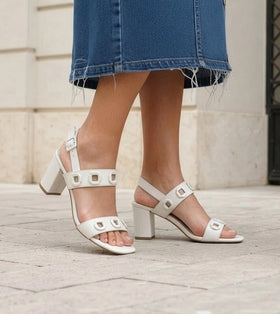
- Block heels for women provide better stability and even weight distribution, helping maintain healthier posture.
- Wedge heels for women reduce pressure on the balls of the feet while still enhancing hip definition.
- Classic pumps heels with cushioned insoles can enhance posture while maintaining hip alignment.
What to Look for in a Comfort-First Heel
When selecting heels, focus on support and posture:
- Adequate arch support to prevent overcompensation in hips
- Balanced heel height between two and three inches
- Soft cushioned insoles to absorb impact and reduce strain
- Ergonomic designs that allow natural foot positioning
With the right heels, you can enjoy the illusion of more defined hips without sacrificing body health. Proper choices let you answer “yes” to style and “no” to discomfort.
The Verdict — Balance Beauty and Body Health
To summarize, wearing heels creates a visual effect that makes hips appear fuller and more lifted, but heels do not increase hip size. The posture adjustments, muscle activation, and spinal curves create the illusion of bigger hips.
Key takeaways:
- Heels change posture, not hip measurements
- Temporary muscle engagement lifts the hips visually
- Moderate and mindful use enhances confidence and appearance
- Combining ergonomic heels with regular stretches preserves hip and back health
By understanding how heels work on the body, women can enjoy the elegance of heels without risking discomfort or long-term strain.
Step Into Confidence with Pair-ie Tales
Beauty should never come at the expense of comfort. With Pair-ie Tales, every pair of heels is designed to combine style and body-friendly ergonomics. From cushioned block heels to elegant slingbacks with advanced support, your hips remain aligned, your back stays comfortable, and your posture looks naturally elegant.
Walk confidently, knowing your heels flatter your curves safely. Pair-ie Tales ensures that you can enjoy style and comfort together, so you never have to compromise.
Shop comfortable heels today at PairieTales and discover the perfect balance of elegance and support.
Frequently Asked Questions
Q1. Does wearing heels increase hip size permanently?
Ans: No. Heels only create a visual effect that makes hips appear lifted. They do not increase fat or muscle in the hips.
Q2. How long can I wear heels safely?
Ans: Experts recommend wearing heels for two to four hours at a time and alternating heights to avoid muscle strain and postural issues.
Q3. Can heels improve posture?
Ans: Yes, heels engage the core and glute muscles, which can temporarily improve posture, but prolonged use without stretching may cause back strain.
Q4. Which heel styles make hips look more defined?
Ans: Block heels, wedges, and low to mid-height stilettos create a lifted hip appearance while supporting proper alignment.
Q5. Will stretching help reduce strain from heels?
Ans: Absolutely. Regular stretches for the hip flexors, glutes, and lower back reduce tightness and maintain flexibility.
Q6. Do heels strengthen hip muscles?
Ans: Only minimally. Heels activate glutes and core for balance, but this is temporary and does not increase hip size.
Q7. Are low heels safer than high heels?
Ans: Yes, heels between two and three inches provide the best balance of posture support and comfort, reducing hip and back strain.
Q8. How can I enjoy heels without hurting my body?
Ans: Alternate heel heights, choose cushioned and ergonomic designs, limit continuous wear, and stretch regularly to maintain hip and spinal health.