Many expecting mothers often ask, can you wear heels during pregnancy without compromising your safety or comfort. The simple answer is yes, but only if you choose the right type of heels and follow important safety precautions. Pregnancy changes your body in significant ways, including your balance, posture, and ligament flexibility, making footwear selection more important than ever.
You do not have to give up style while carrying your little one. With careful choices, you can enjoy fashionable heels that are comfortable, supportive, and safe. In this guide, we will explain how pregnancy affects your feet, the best types of heels to wear, tips to make them more comfortable, alternatives to heels, and common myths you should know. By the end, you will confidently know how to wear heels during pregnancy while maintaining both elegance and safety.
Can You Really Wear Heels During Pregnancy
The question can you wear heels during pregnancy comes up often because many women fear that heels may increase the risk of falls or strain. The truth is that wearing heels during pregnancy is possible, but there are important considerations. Pregnancy causes your center of gravity to shift forward, which can make balance more challenging. At the same time, the hormone Relaxin loosens ligaments in your body to prepare for childbirth. This combination can make ankles and feet more prone to rolling or injury.
Experts from BabyCenter and Gotham Footcare agree that low heels, wedges, and block designs can be worn safely. They recommend limiting heel height to around one to one and a half inches and choosing shoes with good arch support and cushioning. Wearing heels responsibly and alternating with flats or supportive shoes is key.
Choosing the wrong type of heels or wearing them for long periods can increase the risk of foot pain, swelling, and falls. But with the right knowledge, you can answer the question can you wear heels during pregnancy confidently and safely.
What Happens to Your Feet During Pregnancy
Understanding how pregnancy affects your feet is critical for choosing the right footwear. Many of the changes that occur make it clear why some heels are safer than others.
- Center of gravity shift: Your belly grows, moving your weight forward and changing your balance. This increases the chance of tripping or falling, which makes stable heels essential.
- Hormonal changes (Relaxin): The hormone Relaxin softens ligaments to prepare the body for delivery. While necessary, it makes your ankles and feet more flexible and prone to injuries. Supportive shoes reduce the risk of strain.
- Swelling and foot pain: Fluid retention during pregnancy can cause your feet to swell, making tight or narrow shoes uncomfortable or even harmful. Choosing shoes with some flexibility and cushioning helps prevent discomfort.
- Postural strain: Pregnancy affects your back, knees, and arches due to added weight and altered posture. Wearing heels with proper support helps reduce pressure on these areas and maintains alignment.
Considering these changes, it becomes easier to answer the question can you wear heels during pregnancy safely by selecting designs that protect your feet and support your posture.
The Do’s and Don’ts of Wearing Heels While Pregnant
Do’s
- Choose block or wedge heels that provide a stable base for walking
- Keep heel height low, ideally one to one and a half inches
- Prioritize shoes with arch and ankle support
- Look for cushioned insoles or soft padding for extra comfort
- Consider adjustable straps or slingback designs for a secure fit
- Alternate heels with flats for women or supportive shoes throughout the day to reduce strain and maintain comfort.
- Listen to your body and remove heels immediately if discomfort occurs
Don’ts
- Avoid stilettos or extremely thin heels that compromise stability
- Do not wear tight or narrow shoes that can restrict circulation
- Avoid wearing heels for prolonged periods without breaks
- Stay away from uneven surfaces that increase the risk of falls
- Do not sacrifice comfort for fashion, even for short durations
By following these guidelines, you can safely enjoy heels during pregnancy and confidently answer the question can you wear heels during pregnancy without fear of pain or injury.
Best Types of Heels for Pregnant Women
Not all heels are created equal, especially during pregnancy. Certain designs provide the right balance of style and support:
- Block heels: These heels have a wide base, making them highly stable while providing a subtle lift. They help distribute your weight evenly and reduce strain on your ankles.
- Wedges: Wedge heels are another excellent option. They support the entire foot and prevent pressure points, making them ideal for daily wear or special occasions.
- Slingback heels: Slingback designs allow adjustable straps to secure your feet gently. They offer a comfortable fit without constricting your toes or arches.
- Kitten heels: Low kitten heels provide a small elevation while maintaining comfort and stability. Perfect for formal events or when you want a subtle height boost.
Choosing one of these designs makes it much easier to answer the question can you wear heels during pregnancy confidently. You can enjoy style without sacrificing your foot health.
How to Make Heels More Comfortable During Pregnancy
Even with the right heel, pregnancy can make prolonged wear challenging. Here are ways to make heels more comfortable:
- Wear compression stockings to reduce swelling in your feet and ankles
- Use gel inserts or cushioned orthotic pads for extra support
- Keep a comfortable pair of flats handy for walking long distances
- Stretch your feet and calves daily to reduce stiffness
- Moisturize your feet to prevent dryness and discomfort
- Replace shoes when the cushioning or support wears out
Following these tips allows you to safely incorporate heels into your wardrobe, proving that can you wear heels during pregnancy is possible without sacrificing comfort.
Alternatives to Heels — When Comfort Takes the Lead
Sometimes flats or alternative footwear are better options, especially as pregnancy progresses. These options allow you to maintain style while prioritizing comfort:
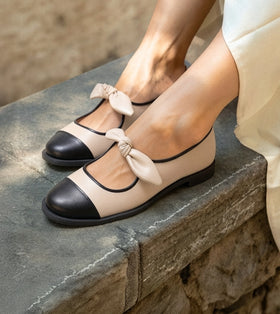
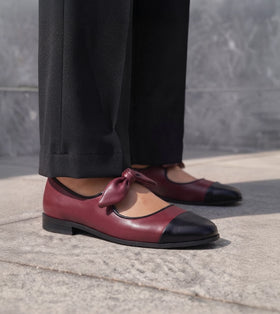
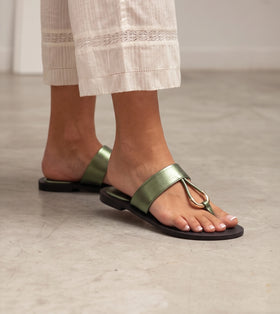
- Soft-soled flat sandals
- Slip-on shoes for quick errands
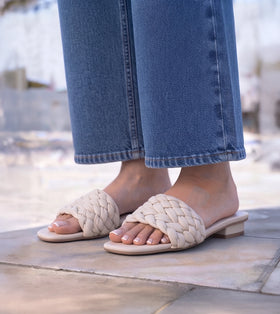
- Cushioned slides for home or casual wear
Even if you love heels, these alternatives provide relief while still looking chic. You can rotate heels with flats to maintain foot health while still asking yourself can you wear heels during pregnancy safely.
Myths About Wearing Heels During Pregnancy
There are several myths surrounding heels and pregnancy:
-
Myth 1: Heels cause miscarriage
Truth: Heels do not cause miscarriage. The risk comes from falling or losing balance. Wearing stable heels minimizes that risk. -
Myth 2: Flats are always the safest option
Truth: Low wedges or block heels often provide better support and reduce strain on arches compared to completely flat shoes. -
Myth 3: All heels are uncomfortable
Truth: Cushioned and stable designs are specifically made to provide comfort. Choosing the right heel allows you to enjoy both style and safety.
Understanding the facts helps you answer the common concern: can you wear heels during pregnancy safely.
Expert Advice Recap
When considering the question can you wear heels during pregnancy, experts suggest these simple rules:
- Limit heel height to one to one and a half inches
- Choose block, wedge, or low kitten heel designs
- Ensure shoes provide good arch support and cushioning
- Listen to your body and take breaks from heels when necessary
- Alternate heels with supportive flats or shoes
By following these recommendations, wearing heels during pregnancy is not only possible but safe and stylish.
Final Thoughts
The question can you wear heels during pregnancy is answered with a confident yes, as long as you choose the right designs and listen to your body. Block heels, wedges, slingbacks, and kitten heels provide a safe and stylish solution for everyday wear or special occasions. Incorporating cushioned insoles and supportive designs ensures comfort throughout your pregnancy.
Pregnancy does not mean you must give up style. With the right heels, you can maintain elegance while protecting your feet, back, and baby. Choosing thoughtfully designed footwear like Pair-ie Tales’ collections allows you to enjoy fashion safely, proving that style and comfort can coexist beautifully during pregnancy.
Frequently Asked Questions
Q1. Is it safe to wear heels in the first trimester?
Ans: Yes, you can wear low, supportive heels safely in the first trimester. Avoid high heels and always prioritize comfort.
Q2. What is the recommended heel height during pregnancy?
Ans: Heel height should generally be limited to one to one and a half inches to reduce strain on your back, knees, and feet.
Q3. Can stilettos be worn occasionally?
Ans: It is better to avoid stilettos entirely. Even occasional wear can increase the risk of falls or ankle injury.
Q4. Are wedges safer than flats?
Ans: Yes, wedges provide more support by distributing your weight evenly and can be more comfortable than completely flat shoes.
Q5. Do heels need extra support during pregnancy?
Ans: Absolutely. Arch cushions, cushioned insoles, and adjustable straps are important to maintain foot stability and comfort.
Q6. How often should I switch from heels to flats?
Ans: Switching every few hours or whenever your feet feel tired or swollen is recommended to maintain circulation and comfort.
Q7. Can heels be worn in hot weather?
Ans: Yes, as long as shoes are breathable and allow for swelling. Avoid tight materials and monitor your comfort level.
Q8. Which brands are recommended for pregnancy heels?
Ans: Brands like Pair-ie Tales offer heels designed with comfort and style in mind, making them a reliable choice for pregnant women.