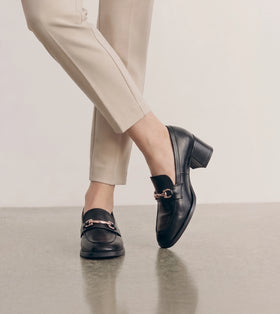
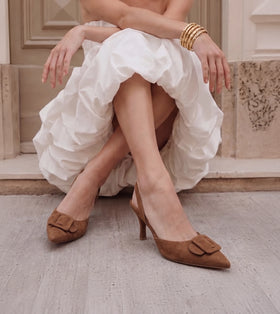
The best footwear for interview is clean, comfortable and professional footwear that suits the workplace dress code. Closed-toe pumps, polished flats, loafers and modest block heels are dependable choices. Choose a well-fitted pair in a neutral shade, avoid distracting designs, and make sure you can walk and stand comfortably.
Your interview outfit should make you feel prepared, not preoccupied with your shoes. Pair-ie Tales brings style and everyday comfort together, offering work-ready silhouettes for women who want to look polished while staying comfortable. Before choosing your pair, learn what makes interview footwear appropriate, and which details can quietly work against a professional first impression.
What Makes the Best Footwear for Interview?
Choosing interview shoes is not simply about finding the most formal pair in your wardrobe. The right footwear should complement your outfit, suit the environment and allow you to move naturally throughout the day.
A good pair should balance four things: professional appearance, comfort, fit and practicality. If your shoes look polished but hurt after ten minutes, they are unlikely to be a smart choice. Likewise, an extremely casual pair may be comfortable but fail to match a conservative workplace.
Pair-ie Tales' workwear guidance similarly emphasises the balance between comfort, support and a polished professional appearance, highlighting styles such as loafers, block heels, slingbacks and cushioned flats for working women.
Professional Appearance
Interview footwear should look intentional rather than attention-seeking. Clean lines, restrained details and a polished finish generally work better than excessive embellishment.
Comfort and Support
Interviews can involve commuting, waiting, walking between rooms or standing before and after the meeting. Cushioning, stable construction and a comfortable fit can make a meaningful difference to how confidently you carry yourself.
Proper Fit
Your toes should not feel cramped, your heel should not repeatedly slip out, and the shoe should feel secure when you walk. A professional appearance loses its impact if you spend the entire interview adjusting your footwear.
Good Condition
Even an expensive pair can look unsuitable if it is visibly scuffed, damaged or worn out. Clean your shoes and check the heels, soles, straps and overall finish before interview day.
7 Best Footwear Styles for an Interview
When deciding on the best footwear for interview, start with the style that matches your workplace and personal comfort rather than following a universal rule.
1. Closed-Toe Pumps
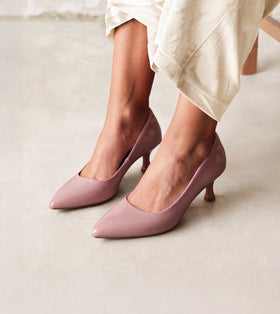
Closed-toe pumps remain one of the most dependable options for formal interviews. Their streamlined shape works particularly well with tailored trousers, pencil skirts, formal dresses and structured blazers.
They are especially appropriate for corporate environments, finance, banking, law and other workplaces where conservative dressing is expected. For more classic silhouettes, Pair-ie Tales' pumps heels collection offers versatile options suited to these settings.
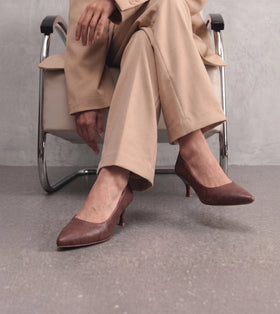
A modest heel can add structure without making the footwear look overly dramatic. For a polished, understated option, Pointed Toe Sculpted Pumps - Brown can complement neutral professional outfits. Pair-ie Tales currently features pointed-toe pumps within its dedicated pumps and heels collection.
2. Comfortable Block Heels
Block heels offer a useful middle ground when you want some height without relying on a narrow heel. Their broader base can feel more stable while walking and standing.
They work well with trousers, dresses and formal skirts, particularly when you expect a longer commute or a full day around the interview.
However, consider the workplace before choosing an open style. Block-Heel Sandals With Metal Appliques - White may suit a more relaxed business-casual environment, but a closed-toe block heel is generally the safer option for highly conservative interviews.
3. Formal Flats
Flats are a strong choice for anyone who values comfort or simply does not want to wear heels. You do not need high heels to appear confident or professional. Exploring a dedicated range of formal flats for women can make it easier to find a polished, comfortable pair.
Look for structured flats with a neat silhouette rather than casual slip-ons or heavily embellished designs. Cream, beige, black and other understated shades can work particularly well with office clothing.
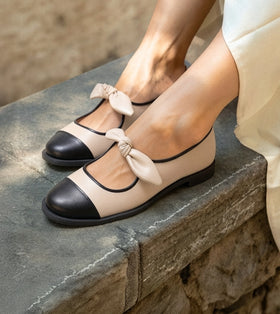
Bow Detail Cap-Toe Flats - Cream is one Pair-ie Tales style that can work with tailored trousers, skirts and other polished outfits. The product is currently listed within the brand's flats collections.
4. Loafers
Loafers are an excellent option when you want a professional look with a contemporary feel. They pair naturally with tailored trousers, straight-leg pants, blazers and smart business-casual outfits.
They can also be more practical than heels for candidates who expect to walk or commute before an interview.
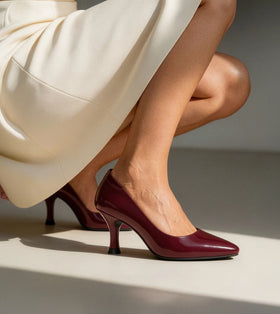
For a slightly elevated interpretation of the classic silhouette, Chain Loafers Heels - Wine is a Pair-ie Tales option worth considering for suitable professional settings.
5. Kitten Heels
Kitten heels provide subtle height without the demanding feel of a high stiletto. They can work particularly well when you want a feminine, polished appearance while retaining greater stability. If you're unsure which silhouette suits you best, this guide on types of heels every woman should know can help you decide.
Choose a simple shape and neutral finish for a conservative interview. If the workplace has a relaxed dress code, you can consider slightly more distinctive details while keeping the overall look refined.
6. Minimal Slingbacks
Slingbacks can be appropriate when they have a refined silhouette and the workplace is not highly conservative. A simple design can work beautifully with tailored trousers, midi skirts and professional dresses.
The key is restraint. Avoid highly embellished, glittery or party-focused slingbacks for a formal interview.
7. Structured Mary Janes and Flats
A simple Mary Jane can provide a polished alternative to conventional pumps or ballet flats. Look for a clean shape, secure strap and subdued colour. Mary Janes have also become a popular pick this year, and this piece on the mary jane shoes trend 2026 explores why they're having a moment.
For creative, education, media or business-casual workplaces, a structured flat can add personality without becoming distracting. The important distinction is between intentional professional styling and footwear that looks too casual for the occasion.
What Colour Footwear Should You Wear to an Interview?
Colour can influence how formal your outfit feels. For the best footwear for interview, neutral shades are usually the easiest starting point.
- Black is the safest option for highly formal workplaces. It pairs easily with black, grey and navy tailoring and creates a classic appearance.
- Brown can feel slightly softer while still looking professional. It works particularly well with beige, cream, navy and brown-toned outfits.
- Beige and nude shades can complement lighter professional clothing and create a subtle appearance. They are particularly useful when black footwear feels too visually heavy.
- Navy and muted colours can also work when they coordinate naturally with the rest of the outfit. The goal is not to eliminate personality; it is to make sure your shoes support the outfit rather than dominate it.
How to Choose Interview Shoes Based on Your Workplace
The best footwear for interview can change depending on the organisation, industry and role.
Banking, Finance and Law
Choose conservative options such as closed-toe pumps, understated flats or modest heels. Black, brown and other neutral shades are usually easiest to style.
Corporate and Office Roles
Pumps, loafers, block heels and structured flats can all work. Let the company's dress culture guide how formal you should be. For more practical tips, this office heels guide india covers what to look for when dressing for Indian workplaces.
Marketing, Media and Creative Roles
These workplaces may allow more personality. A refined colour, contemporary silhouette or subtle design detail can work, provided the footwear remains polished.
Startups and Business-Casual Offices
Loafers, flats and understated heels can be excellent choices. You generally have more flexibility, but your shoes should still look intentional and well maintained. In particularly relaxed environments, a polished pair of formal sandals for women may also work, provided it still looks put-together.
Heels vs Flats: Which Is Better for an Interview?
There is no rule that says heels automatically look more professional. The better choice depends on the role, dress code and what allows you to feel comfortable and composed. If you're leaning toward heels, browsing a range of formal heels for women can help you find a silhouette that matches your interview environment.
Choose heels if you already wear them comfortably and they complement the formality of your outfit. A low or medium block heel can be particularly practical.
Choose flats if you prefer them, have a long commute, expect to walk frequently or simply feel more confident without heels.
Ultimately, comfort should support confidence, not compete with it. If you are distracted by pain, slipping straps or unstable heels, your footwear is not helping your overall presentation.
How Should Interview Shoes Fit?
Good fit is one of the most overlooked parts of professional dressing.
Your toes should have enough room to move without the shoe feeling loose. The heel should remain reasonably secure as you walk, while the upper should not press painfully against your foot.
Try the shoes with the type of socks, stockings or hosiery you plan to wear. Walk around before interview day and pay attention to pressure points.
If you are buying a new pair specifically for an interview, give yourself enough time to wear them beforehand. An interview is not the ideal occasion to discover that a new shoe rubs or feels unstable.
What Footwear Should You Avoid for an Interview?
Knowing what not to wear is just as useful as knowing what to choose.
Avoid:
- Extremely high heels that make walking uncomfortable
- Flip-flops and beach-style footwear
- Dirty or visibly damaged shoes
- Very casual slides
- Athletic sneakers unless the workplace specifically welcomes them
- Excessive glitter, embellishment or party-style detailing
- Shoes you have never tested for comfort
- Footwear that is noticeably noisy or difficult to walk in
This does not mean every interview requires conservative black pumps. Workplace expectations vary. The smarter approach is to understand the environment and dress one level more polished than your everyday casual style.
How to Match Your Shoes With Your Interview Outfit
The best footwear for interview should look like a natural extension of your clothing.
With tailored trousers and a blazer, consider pumps, loafers, block heels or structured flats.
With a formal dress, pumps, kitten heels or understated slingbacks can create a balanced silhouette.
With a skirt and blouse, closed-toe heels and polished flats are versatile choices.
With Indian formal or Indo-Western workwear, neutral pumps, flats or refined heels can complement kurtas, trousers and structured outfits without competing with the clothing.
The simplest rule is to consider the entire outfit together. Your shoes should complete the look, not become the only thing people notice.
8 Interview Footwear Mistakes to Avoid
Even the best footwear for interview can fail if the overall preparation is overlooked.
- Choosing fashion over suitability: A striking shoe may not match a conservative workplace.
- Wearing uncomfortable footwear: Pain can affect posture, movement and confidence.
- Trying new shoes on interview day: Always test them first.
- Ignoring the dress code: Research the company's workplace culture where possible.
- Choosing distracting designs: Keep statement details subtle.
- Forgetting maintenance: Check for stains, scuffs and damaged heels.
- Ignoring fit: A poor fit can become uncomfortable quickly.
- Not considering your commute: Your footwear needs to work beyond the interview room.
How to Prepare Your Shoes Before Interview Day
Once you have selected the best footwear for interview, spend a few minutes preparing it.
Clean the surface, inspect the heel and sole, and make sure there are no visible marks or loose details. Walk in the shoes at home so you know how they feel.
If you are travelling a considerable distance, think about how you will manage the journey without compromising your interview outfit. Most importantly, make sure your footwear feels familiar before the big day.
Pair-ie Tales' workwear approach focuses on combining professional styling with everyday comfort, making this balance particularly relevant for women building practical office wardrobes.
Best Pair-ie Tales Footwear Styles for an Interview
For a polished interview wardrobe, consider styles that combine a professional silhouette with the level of comfort you personally need.
Pointed Toe Sculpted Pumps - Brown can suit formal tailored looks, while Bow Detail Cap-Toe Flats - Cream offer a flatter alternative for comfort-conscious dressing. For a contemporary office outfit, Chain Loafers Heels - Wine can bring structure without looking overly traditional.
The important point is to choose based on the interview setting rather than buying a style simply because it is fashionable. Pair-ie Tales' current range includes heels, flats, pumps, loafers, wedges, Mary Janes and other categories, giving professional dressers several silhouettes to consider.
Step Into Your Next Opportunity With Pair-ie Tales
Your shoes may be only one part of an interview outfit, but the right pair can help you feel composed from the moment you walk through the door. Choose footwear that reflects the workplace, complements your outfit and allows you to move comfortably and confidently.
Explore Pair-ie Tales for polished, work-ready footwear designed for women who want style without giving up comfort. Whether you prefer pumps, flats, loafers, or a refined heel, choose the pair that feels like you, and step into your next opportunity with confidence.
Because the right pair does more than complete an outfit. It helps you walk into what's next.
Pair-ie Tales, Walk Your Story.
Frequently Asked Questions
Q1. What is the best footwear for interview?
The best footwear for interview is clean, comfortable and appropriate for the workplace. Closed-toe pumps, polished flats, loafers and modest block heels are dependable choices for most professional settings.
Q2. How should interview shoes fit?
Interview shoes should feel secure without squeezing your toes or slipping at the heel. Walk in them before the interview to check comfort, stability and any areas that may cause rubbing.
Q3. Can women wear flats to an interview?
Yes. Professional flats can be an excellent interview choice, especially when they have a structured shape, clean finish and understated design. Comfort does not make an outfit less professional.
Q4. Is it necessary to wear heels to an interview?
No. Heels are not necessary for a professional appearance. Flats, loafers and low heels can look equally polished when they suit the outfit and workplace dress code.
Q5. Will loafers look professional at an interview?
Yes, loafers can look highly professional when they are clean, structured and appropriately styled. They work particularly well with tailored trousers, blazers and business-casual outfits.
Q6. What colour shoes are best for an interview?
Black, brown, beige, nude and other muted shades are generally versatile choices. Select a colour that complements your outfit and reflects the formality of the workplace.
Q7. Why does comfort matter when choosing interview footwear?
Comfort matters because discomfort can distract you during the interview and affect how naturally you walk, stand and sit. Shoes should support your confidence rather than compete for your attention.
Q8. Can I wear new shoes to an interview?
Yes, but do not wear them for the first time on interview day. Walk in them beforehand to check their fit and comfort, and make sure they work with your complete outfit.